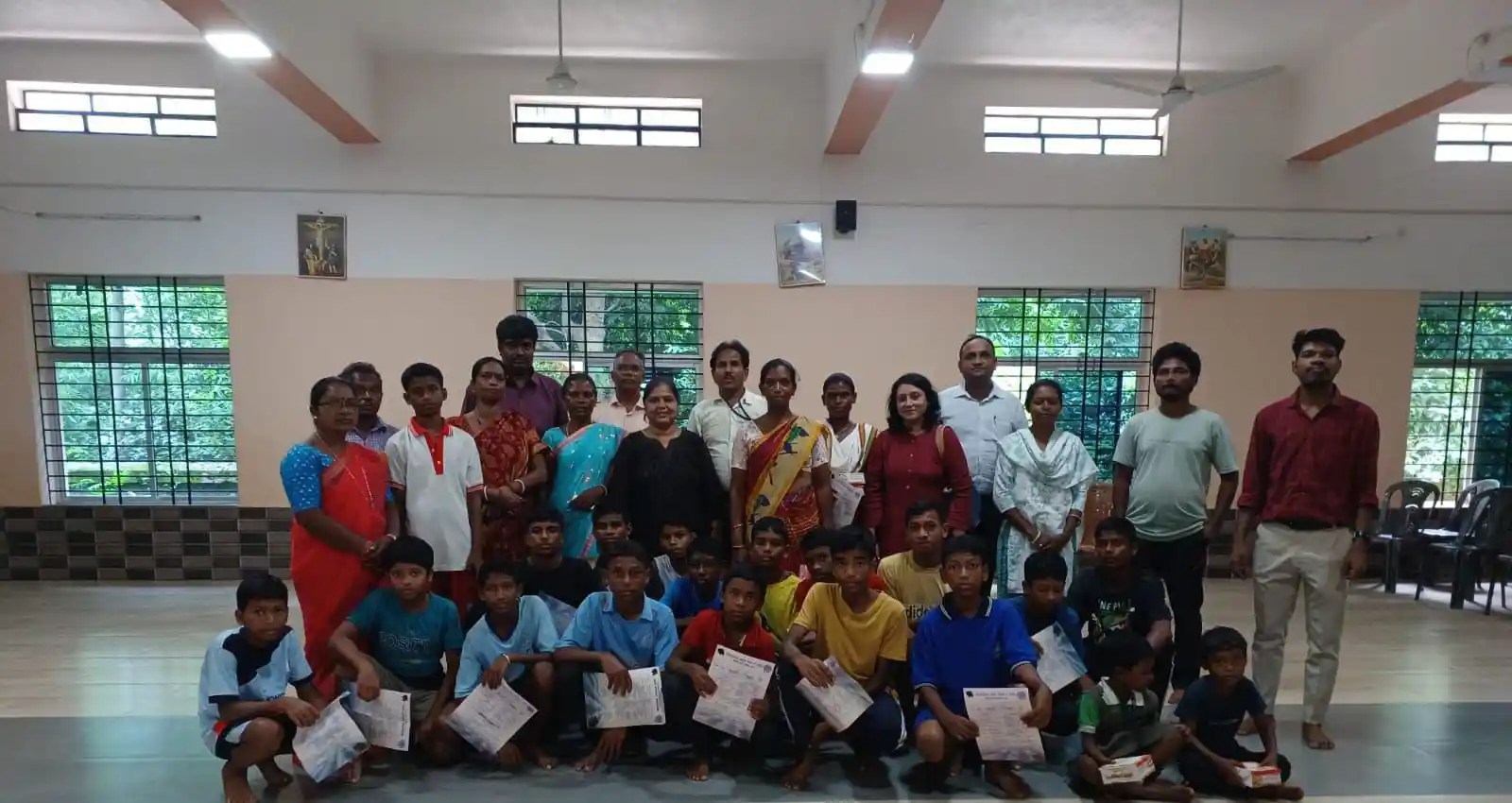
CSIR-NML, XITE Gamharia, and CSIR-IIIM Jammu lead training to improve livelihoods through sustainable lemongrass cultivation.
Key Points:
– Tribal farmers trained on modern lemongrass cultivation.
– 9 lemongrass varieties planted during hands-on sessions.
– Initiative under DST’s STI Hub project for tribal community upliftment.
JAMSHEDPUR – A specialized training program focused on the cultivation and processing of aromatic crops, particularly lemongrass, was successfully held in Gamharia, West Singhbhum.
The program, a joint effort by XITE Gamharia, CSIR-NML Jamshedpur, and CSIR-IIIM Jammu, aims to uplift tribal communities by introducing sustainable agricultural practices.
The training program was part of the Department of Science and Technology’s (DST) Science, Technology, Innovation (STI) Hub project.
It provided local farmers with the tools and knowledge needed to improve their farming methods and economic prospects.
Focus on Lemongrass Cultivation
During the program, farmers were introduced to nine different varieties of lemongrass, with more than 30 saplings planted in each category.
The hands-on demonstration allowed participants to directly apply the techniques they learned in cultivating these aromatic plants.
Dr. Sanchita Chakravarty, Chief Scientist at CSIR-NML, and the project’s Principal Investigator, highlighted the initiative’s focus on enhancing the living standards of tribal farmers.
“Our goal is to empower local communities with sustainable agricultural practices that can significantly improve their livelihoods,” she said.
Expert Guidance and Demonstrations
Dr. V.P. Rahul, Senior Scientist at CSIR-IIIM Jammu, provided expert insights into the benefits of aromatic plants and their potential for increasing farmers’ income.
He also offered technical advice on the best cultivation practices, ensuring that farmers could effectively grow and harvest these crops.
Additionally, Dr. S.R. Meena, Senior Technical Officer at CSIR-IIIM Jammu, conducted live demonstrations on lemongrass cultivation.
This practical session was well-received, with many farmers expressing enthusiasm about establishing their own demonstration plots.
Collaborative Effort and Future Impact
The event also featured contributions from Dr. (Fr.) E. A. Francis, S.J., Principal of XITE Gamharia and Co-Principal Investigator of the project, who acknowledged the critical role of CSIR-IIIM Jammu in the project’s success.
“This collaboration is a significant step toward sustainable agricultural development in rural Jharkhand,” he noted.
The initiative, funded by DST’s Seed Division, is expected to build capacity within the community, enabling local farmers to benefit from advanced agricultural technologies.
By focusing on the cultivation and value addition of aromatic plants, the project aims to foster long-term economic growth in the region.