
Jharkhand CM Champai Soren Prioritizes Tribal Languages

Jharkhand CM Champai Soren Prioritizes Tribal Languages

Inclusion of Local Tongues in School Curriculum Announced
In an effort to preserve and promote Jharkhand’s diverse linguistic heritage, the state government has announced the integration of tribal and regional languages into the curriculum for classes 1 to 5 in government primary schools, marking a significant development since the state’s creation in 2000.
RANCHI – The Jharkhand government has taken a groundbreaking step towards integrating tribal and regional languages into the curriculum of government primary schools for classes 1 to 5.
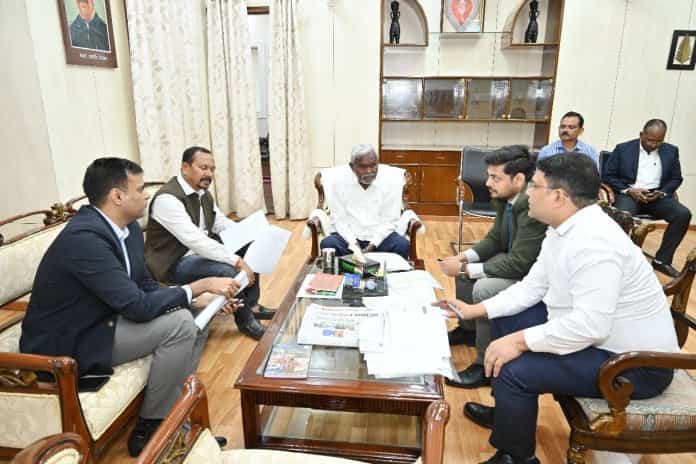
Chief Minister Champai Soren spearheaded a high-level meeting with officials to deliberate strategies for the development and promotion of these languages.
The initiative aims to foster a deeper appreciation and understanding of the state’s rich linguistic diversity among young students.
This historic move will introduce instruction in languages such as Odiya, Bengali, Santhali, Kudukh, Khadiya, Khortha, Nagpuri, and Mundari for the first time in the state’s history.
"Offering education in students’ mother tongues can significantly enhance their learning experience and connect them more deeply with their heritage," remarked an education department spokesperson.
The chief minister has emphasized the importance of swiftly empaneling expert teachers specialized in these languages.
During the meeting, attended by key figures including the ST, SC, and OBC Welfare Department Minister Deepak Birua and Secretary to the CM Arva Rajkamal, the commitment to the promotion and development of tribal and regional languages was reaffirmed.
"We’re committed to enriching our students’ education by bridging them with their cultural roots," Soren stated, highlighting the government’s dedication.
Expediting the Curriculum Integration
This curriculum change is a pioneering effort to include tribal languages in primary education since the formation of Jharkhand, underlining the state’s commitment to cultural preservation.
The directive to the education department to fast-track this inclusion process underscores the initiative’s urgency and significance.
Advancing Teacher Recruitment
The decision to hire teachers on an ad-hoc basis for the immediate commencement of teaching these languages demonstrates a pragmatic approach to achieving this educational reform.
The push for swift action reflects the government’s commitment to implementing reforms that echo the state’s cultural and linguistic diversity.
"Our objective is to kickstart this transformative educational journey without delay," a senior official from the chief minister’s secretariat stated.
The integration of tribal and regional languages into the school curriculum not only affirms the government’s pledge to cultural preservation but also sets an exemplary model for educational inclusivity.
This initiative paves the way for a more inclusive and culturally rich educational environment in Jharkhand, emphasizing the vital role of linguistic diversity in fostering a sense of identity and community among the students.


Join Our Newsletter
Related News
Opinion
You May Also Like
Read More
Discussion
Readers' Comments
Recent
EDITOR PICKS
POPULAR POSTS
MUST READ

ABOUT US
Town Post is a leading News Portal of Jamshedpur and Jharkhand.
FOLLOW US
Contact us: editor@townpost.net
© Town Post, Jamshedpur