
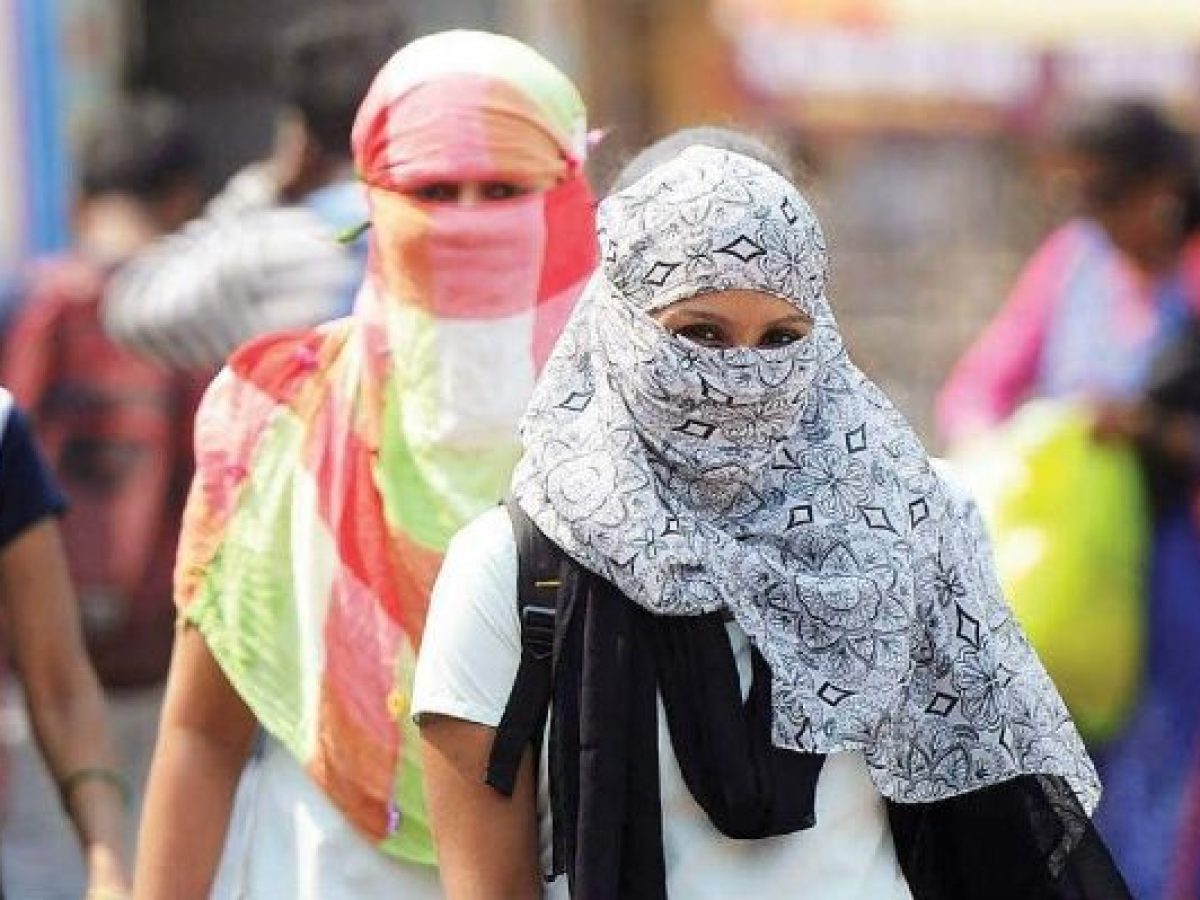
Heatwave Grips Jharkhand, Claims 3 Lives Amid Record Temperatures

Heatwave Grips Jharkhand, Claims 3 Lives Amid Record Temperatures

Meteorologists Warn of Continued Scorching Conditions as Residents Seek Relief
As temperatures in Jharkhand climb to unprecedented heights, the state grapples with an unyielding heat wave affecting 18 districts.
RANCHI – Jharkhand is enduring an intense heat wave, with temperatures soaring across 18 districts, impacting both humans and wildlife.
The relentless heat has claimed lives, with two fatalities reported in Seraikela and another in Giridih.
Additionally, hundreds of bats have succumbed to the extreme temperatures.
Palamu is experiencing the highest temperatures, reaching a record-breaking 47.4 degrees Celsius.
Meteorologist Abhishek Anand from the India Meteorological Department (IMD) in Ranchi warns that the scorching conditions are expected to persist, especially in the northwestern regions of Palamu and Garhwa.
Despite the ongoing heat wave, there is a glimmer of hope as forecasts predict potential thunderstorms and lightning in the northeastern and southern areas of Jharkhand.
This weather change could provide brief respite from the oppressive heat.
In Ranchi, residents are bracing for another day of high temperatures, expected to range between 39 to 41 degrees Celsius.
Though slightly cooler than previous days, the heat remains a significant challenge.
The IMD initially issued an orange alert for severe heat wave conditions in Garhwa and Palamu, later downgrading it to a yellow alert.
Cities like Ranchi, Jamshedpur, and Daltonganj are experiencing temperatures exceeding normal levels by over 5 degrees Celsius, underscoring the severity of the heat wave.
Medical experts emphasize the importance of staying hydrated during this extreme weather.
Individuals are urged to drink plenty of water to prevent dehydration, a significant risk in such conditions.
Reducing food intake is also recommended to help cope with the heat.
For those engaging in outdoor activities, particularly morning walks, carrying a small bottle of water is advised.
Doctors highlight the need for precautions, especially for the elderly, who are more vulnerable to heat-related illnesses.


Join Our Newsletter
Related News
Opinion
You May Also Like
Read More
Discussion
Readers' Comments
Recent
EDITOR PICKS
POPULAR POSTS
MUST READ

ABOUT US
Town Post is a leading News Portal of Jamshedpur and Jharkhand.
FOLLOW US
Contact us: editor@townpost.net
© Town Post, Jamshedpur