
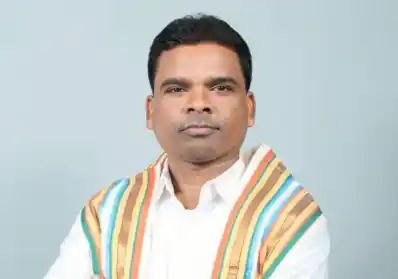
Former Minister Sahis' Bodyguard Withdrawn, Expresses Displeasure

Former Minister Sahis’ Bodyguard Withdrawn, Expresses Displeasure

Security Personnel Removed for Deoghar Shravani Mela Deployment Duty
Key Points:
- Ramchandra Sahis’ sole bodyguard recalled for mela deployment
- Former minister protests security withdrawal in naxal-affected area
- Demands immediate reversal of decision from DC and SSP
JAMSHEDPUR – Former minister Ramchandra Sahis’ only bodyguard has been withdrawn by the district administration, citing deployment requirements for Deoghar Shravani Mela.
The security personnel removal has sparked strong opposition from Sahis. He criticized the district administration’s insensitivity toward his safety concerns. The former minister questioned the timing of this decision.
Sahis highlighted his constituency’s naxal-affected status. Political rivalries also pose additional security threats in the region. He emphasized that removing his lone bodyguard compromises his personal safety.
“My assembly constituency faces naxal influence,” Sahis stated. Moreover, political competition creates hostile environments for public representatives. The combination of these factors makes security protection essential.
The former minister called the withdrawal decision inappropriate. He argued that removing security from former ministers violates established protocols. The move contradicts standard security arrangements for elected representatives.
Sahis specifically mentioned the Shravani Mela reasoning as insufficient. The administration’s justification for redeploying security personnel lacks merit, he claimed. However, religious events should not compromise individual safety requirements.
The former minister has approached senior officials regarding this matter. He submitted demands to the Deputy Commissioner for immediate action. Additionally, he contacted the Senior Superintendent of Police.
Sahis requested immediate reversal of the withdrawal decision. He demanded restoration of his bodyguard without further delay. The security arrangement should resume normal operations, he insisted.
The controversy highlights broader security concerns for public representatives. Former ministers typically retain minimal security coverage after leaving office. This protection acknowledges ongoing threats from their political careers.
Naxal-affected areas require enhanced security measures for political figures. The region’s volatile situation demands continuous protection for vulnerable leaders. Temporary withdrawals can expose them to significant risks.
Political rivalries often persist beyond active tenures in office. Former ministers may face threats from various sources long after leaving positions. These factors justify maintaining basic security arrangements.
The Shravani Mela deployment explanation appears inadequate to Sahis. Religious festivals require additional security personnel across the state. However, this should not compromise existing protection arrangements.
District administrations must balance resource allocation during major events. Security personnel often face deployment pressures during festivals. Nevertheless, critical protection duties should receive priority consideration.
The case raises questions about security protocol implementation. Former ministers’ protection standards need consistent application across situations. Administrative decisions should consider individual threat assessments.
Sahis expects prompt resolution of this security matter. The district administration must address his concerns immediately. Any delay could potentially compromise his personal safety.


Join Our Newsletter
Related News
Opinion
You May Also Like
Read More
Discussion
Readers' Comments
Recent
EDITOR PICKS
POPULAR POSTS
MUST READ

ABOUT US
Town Post is a leading News Portal of Jamshedpur and Jharkhand.
FOLLOW US
Contact us: editor@townpost.net
© Town Post, Jamshedpur