
JDU Leader Questions Ownership Rights for 86 Settlements

JDU Leader Questions Ownership Rights for 86 Settlements

Ashutosh Ray Calls Process ‘Mere Rhetoric’ Without Assembly Approval
Key Points:
- Saryu Roy had introduced bill for settlement rights in 2006-2007
- Number of settlements increased from 86 to over 144 currently
- State government acknowledges restrictive clause hinders ownership transfer
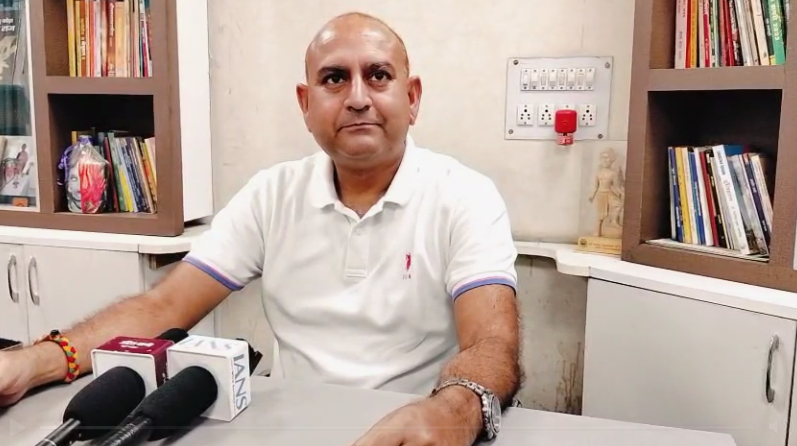
JAMSHEDPUR – Senior JDU leader Ashutosh Ray questioned the renewed initiative to grant ownership rights to 86 settlements in the city.
The ownership rights issue has a long history. MLA Saryu Roy introduced a bill in 2006-2007. However, no legislator supported his proposal then.
The Assembly rejected Roy’s initiative at that time. Now the same ownership rights discussion has resurfaced. Meanwhile, the number of settlements has grown significantly.
Originally, only 86 settlements sought ownership rights. Today, more than 144 settlements await similar recognition. The numbers have nearly doubled over the years.
Ray termed the ownership rights promise as rhetoric. He argued it remains empty words currently. Moreover, the proposal requires Assembly approval first.
The BJP government held absolute majority earlier. Even then, the legislation failed to pass. Additionally, authorities inserted a restrictive clause back then.
That clause continues to obstruct ownership transfer. The state government acknowledged this in Assembly. Furthermore, officials admitted the clause needs relaxation.
Without removing these restrictions, ownership remains elusive. The settlements will stay without legal titles. Besides, residents cannot secure their housing rights.
Ray emphasized legislators must show genuine commitment. All representatives need to unite on this. In addition, serious deliberation becomes absolutely necessary.
Only collective effort will yield solutions. Cross-party cooperation is essential for progress. A knowledgeable source stated representatives must prioritize residents’ interests.
The ownership rights debate affects thousands of families. These settlements house working-class populations primarily. Their housing security depends on legislative action.


Join Our Newsletter
Opinion
You May Also Like
Read More
Discussion
Readers' Comments
Recent
EDITOR PICKS
POPULAR POSTS
MUST READ

ABOUT US
Town Post is a leading News Portal of Jamshedpur and Jharkhand.
FOLLOW US
Contact us: editor@townpost.net
© Town Post, Jamshedpur