
IIT Dhanbad Ordered to Admit Dalit Student Who Missed Fee Deadline

IIT Dhanbad Ordered to Admit Dalit Student Who Missed Fee Deadline

SC intervenes after financial constraints delay payment by minutes
Key Points:
• Supreme Court directs IIT Dhanbad to grant admission to Dalit student
• Atul Kumar missed fee deadline due to family’s financial constraints
• CJI criticizes making a "Dalit boy run from pillar to post" for admission
DHANBAD – The Supreme Court ordered IIT Dhanbad to admit a Dalit student who lost his seat after narrowly missing the fee payment deadline due to financial difficulties.
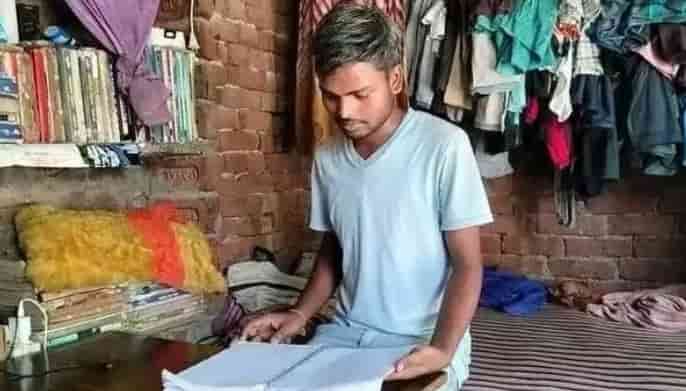
Atul Kumar, from Uttar Pradesh, secured admission to IIT Dhanbad’s BTech Electrical Engineering program.
His family struggled to arrange the Rs 17,500 fee by the June 24 deadline.
Atul’s father, a daily wage laborer earning Rs 450 per day, crowdsourced funds.
They managed to collect the amount minutes before the deadline.
However, Atul couldn’t upload documents in time, losing his seat.
The family pursued legal action for over three months.
They approached the SC/ST Commission and two High Courts without success.
Finally, they petitioned the Supreme Court for intervention.
Chief Justice DY Chandrachud expressed concern over Atul’s ordeal.
"We cannot allow such a young talented boy to go away," the CJI remarked.
He criticized making a Dalit student "run from pillar to post" for admission.
The court used its powers under Article 142 to ensure justice.
IIT Dhanbad was directed to admit Atul into the same batch.
The order treats him as if he had submitted fees on time.
Supreme Court’s Stance on Equal Opportunities
The bench emphasized the importance of supporting marginalized students.
They recognized Atul’s determination to secure admission despite obstacles.
The court stated talented students from marginalized groups shouldn’t be left out.
This decision highlights the judiciary’s role in ensuring educational access.
Impact on Atul’s Future
Atul expressed relief and happiness at the court’s decision.
He plans to focus on becoming an electrical engineer from IIT-Dhanbad.
The CJI wished Atul well, encouraging him to excel in his studies.
This case underscores the challenges faced by economically disadvantaged students.
It also demonstrates the potential for legal intervention in education matters.


Join Our Newsletter
Related News
Opinion
You May Also Like
Read More
Discussion
Readers' Comments
Recent
EDITOR PICKS
POPULAR POSTS
MUST READ

ABOUT US
Town Post is a leading News Portal of Jamshedpur and Jharkhand.
FOLLOW US
Contact us: editor@townpost.net
© Town Post, Jamshedpur