
Breast Cancer Awareness Month: Understanding Risks, Symptoms, and Prevention Strategies

Breast Cancer Awareness Month: Understanding Risks, Symptoms, and Prevention Strategies

Explore the importance of Breast Cancer Awareness Month, key risk factors, early warning signs, and prevention tips to reduce breast cancer risk.

Dr. Tamojit Chaudhuri
Sr Consultant & HOD, Medical Oncology, MTMH
Breast cancer remains the most prevalent cancer among Indian women. Timely detection through screening and lifestyle changes can significantly reduce mortality.

Background: Breast cancer awareness month is an international health campaign that is celebrated every October since the nineties.
It is also called ‘Pink October’ as people around the world adopt the pink color and display a pink ribbon to raise awareness about breast health. Breast cancer is the most common cancer amongst Indian females.
According to GLOBOCAN 2022 data, 192020 new breast cancer cases have been diagnosed in Indian females in 2022 of which approximately 98,337 patients died of this deadly disease. The MTMH data is equally alarming. In 2019-20, 263 new cases of breast cancer registered during the year which has gone up to 426 last year. More than 1 new case per day is registered in MTMH alone at Jamshedpur.
Risk factors: The risk factors for breast cancer are female gender, early menarche, late menopause, nulliparity, alcohol use, obesity, use of hormone replacement therapy, radiation exposure to chest wall and genetic mutations.
Familial breast cancer happens due to mutations of BReast CAncer genes (BRCA 1 and 2), which are found in approximately 10-15% of breast cancer cases in Indians females. A sample from blood, saliva, or cells from inside the cheek is taken to check for mutations in BRCA 1 & 2 genes.
Symptoms: The most common symptoms of breast cancer are painless gradually progressive breast lump, nipple retraction/discharge, axillary swelling/lump, and ulceration/redness over breast. In advanced stages, there can be cough, back pain, or pain abdomen.
Diagnosis: Breast cancer can be diagnosed early by screening mammography. A screening mammogram typically involves X-ray images of each breast in two different views in a special X-ray machine.
The overall sensitivity of screening mammography is about 75% and specificity is about 90%. Annual screening mammography should start at 45 years of age for women at average risk and should be continued if their overall health is good and they have a life expectancy of 10 years. For high-risk women (e.g. BRCA 1 or 2 mutation, strong family history, history of prior chest wall radiation), annual screening mammography should be started at 25-30 years of age. ‘Breast Self-Examination’ (BSE) is not recommended for routine screening of breast cancer. WHO however recommends that every woman should have breast health awareness.
Stages of the Disease: Breast cancer has 4 stages. Stage 1 and 2 are known as early stages, which can be cured in 80-95% of patients with proper and timely treatment. Stage 3 and 4 are known as advanced stages, which are difficult to treat and cure.
With the use of modern anti-cancer treatment (e.g. targeted therapy, antibody-drug conjugates, immunotherapy), the survival of stage 4 breast cancer can be extended up to 5 years.
Can we prevent the disease or reduce mortality? Breast cancer-related mortality can be reduced by focusing on early screening, diagnosis and appropriate treatment at standard cancer hospitals. For preventing the deadly disease, we should follow some lifestyle modification e.g. avoid tobacco and alcohol use, maintain a healthy physical lifestyle, avoid obesity, consume fresh vegetables and fruits.

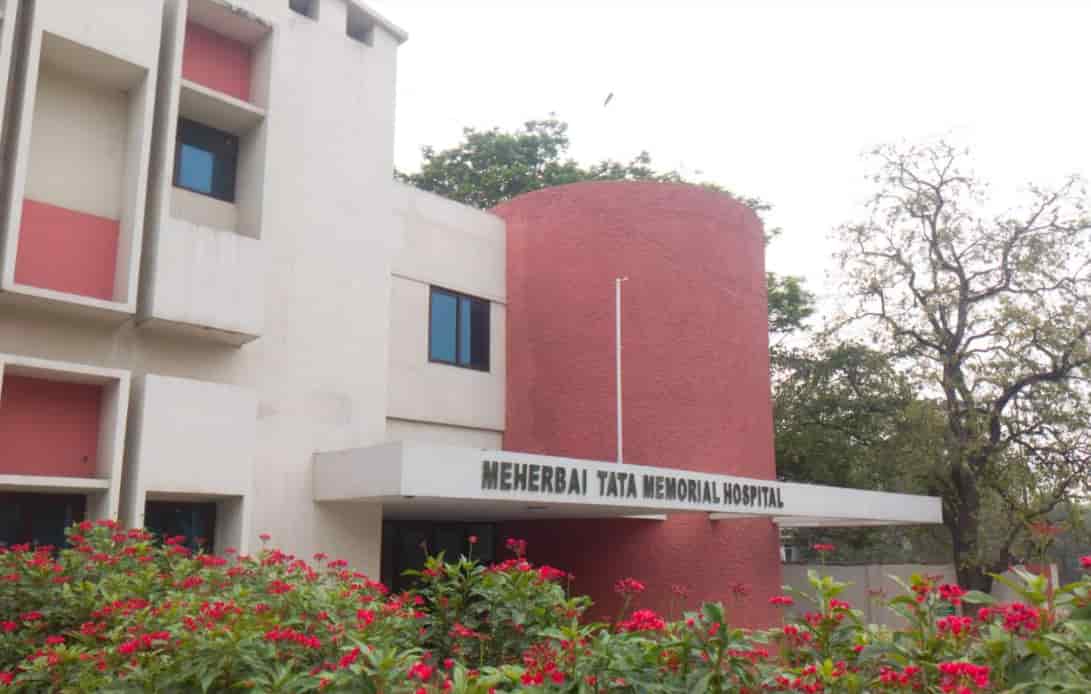
All the screening, diagnostic and treatment facilities (e.g. Mammography with tomosynthesis, chemotherapy, immunotherapy, endocrine therapy, surgery, radiation) required for breast cancer management are available at Meherbai Tata Memorial Hospital (MTMH), Jamshedpur.
(Authored by Dr Tamojit Chaudhuri, Sr Consultant & HOD, Medical Oncology, MTMH to mark the WHO Breast Cancer Awareness Month)


Join Our Newsletter
Related News
Opinion
Read More
Discussion
Readers' Comments
Recent
EDITOR PICKS
POPULAR POSTS
MUST READ

ABOUT US
Town Post is a leading News Portal of Jamshedpur and Jharkhand.
FOLLOW US
Contact us: editor@townpost.net
© Town Post, Jamshedpur