
Jamshedpur's Air Quality Crisis: Funds Underutilized Despite Health Risks

Jamshedpur’s Air Quality Crisis: Funds Underutilized Despite Health Risks

Study Reveals Toxic Metals in Air as Pollution Control Efforts Lag
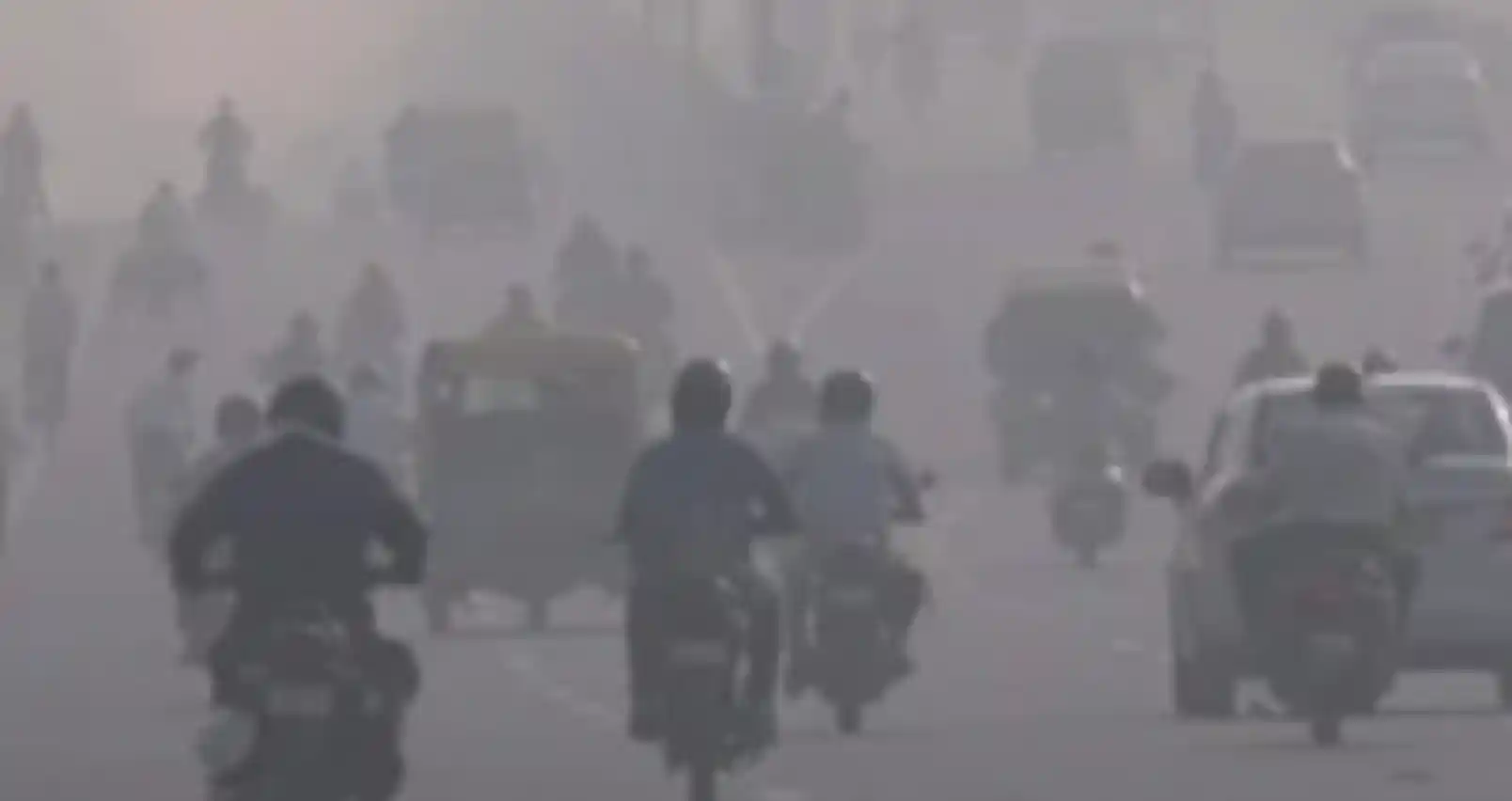
Jamshedpur faces severe air pollution, with high levels of toxic metals detected, while only 35.78% of allocated funds for control measures have been utilized.
JAMSHEDPUR – The Steel City grapples with a mounting air pollution crisis, as recent studies unveil alarming levels of toxic metals in the air amid significant underutilization of pollution control funds.
Data from the Ministry of Environment, Forest and Climate Change paints a concerning picture of fund utilization for air quality improvement.
Jamshedpur has spent a mere 35.78% of allocated funds, lagging behind even Ranchi’s 48.73% utilization rate.
A study by the Association of Socially Applicable Research (ASAR) detected hazardous metals like cadmium, chromium, lead, and zinc in Jamshedpur’s air.
"The ecological risk index in Jamshedpur significantly surpasses that of Ranchi," noted a researcher from BIT Mesra.
Open garbage burning, particularly near Marine Drive, exacerbates the pollution problem by releasing additional harmful pollutants.
The city’s lack of an adequate air quality control system hampers accurate monitoring of pollution levels.
Concentrations of chromium and nickel in Jamshedpur exceed World Health Organization (WHO) standards, posing severe health risks.
Cadmium presents the highest ecological risk among the detected metals, raising serious concerns for public health.
Research indicates that roadside food stalls could be a major source of metal intake, particularly endangering children’s health.
"These toxic metals cannot be removed even with pollution control devices," the researcher emphasized, highlighting the gravity of the situation.
The underutilization of funds raises questions about the efficacy of local administration and pollution control board efforts.
Environmental experts call for immediate action to address fund utilization issues and implement effective pollution control measures.
Residents express growing concern over the potential long-term health impacts, especially on vulnerable populations like children.
The situation demands a comprehensive review of current pollution control strategies and fund allocation practices in Jamshedpur.


Join Our Newsletter
Opinion
Read More
Discussion
Readers' Comments
Recent
EDITOR PICKS
POPULAR POSTS
MUST READ

ABOUT US
Town Post is a leading News Portal of Jamshedpur and Jharkhand.
FOLLOW US
Contact us: editor@townpost.net
© Town Post, Jamshedpur