
National Tribal Youth Festival to be Held in Chaibasa

National Tribal Youth Festival to be Held in Chaibasa

Event to Feature Traditional Sports and Cultural Activities
The National Tribal Youth Festival, set for July 13-14 in Chaibasa, aims to revive and preserve tribal culture and heritage.
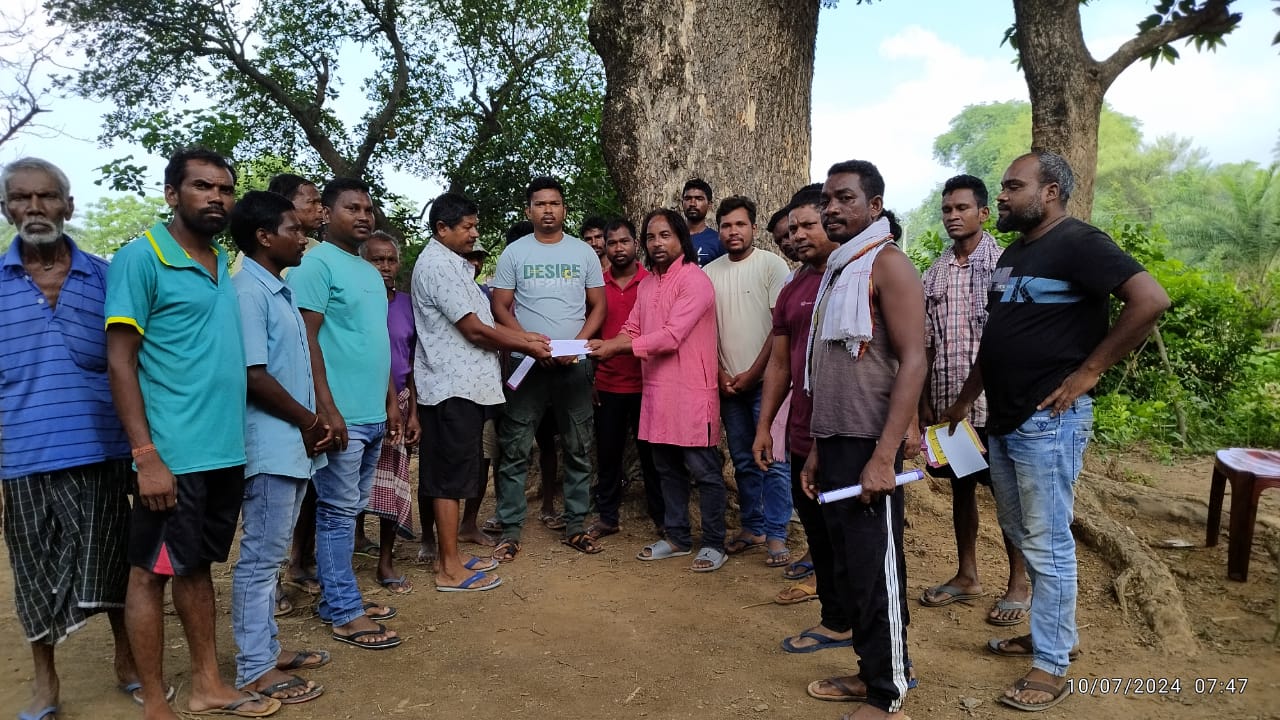
Jamshedpur – The National Tribal Youth Festival is set to take place in Chaibasa on July 13-14, organized by the Adivasi Ho Samaj Mahasabha at the Kala and Sanskriti Bhavan in Harigutu.
The festival will see the participation of over 2500 youths from various states across the country.
A Platform for Cultural Reflection
Gabbar Singh Hembram, the national secretary of the Adivasi Ho Samaj Mahasabha, shared that the festival aims to provide a platform for tribal youth to engage in deep reflection on their mother tongue, education, and social customs.
He highlighted the progress made by tribal youths in various fields, noting their presence in significant government and non-government positions.
However, he expressed concern about the gradual erosion of traditional customs, dance, and language, posing a threat to the community’s identity.
Reviving Cultural Heritage
Hembram emphasized that the primary objective of the festival is to remind the youth of their cultural roots and heritage.
He believes that while it is essential for the youth to advance in various fields, it is equally important to remain connected to their roots.
The festival aims to preserve and promote the community’s cultural heritage and pass it on to future generations.
The youth will also discuss solutions to their community’s issues and ways to protect their heritage.
Traditional Games as Highlights
The festival will commence with traditional rituals and prayers.
It will feature a variety of cultural and traditional sports such as Sekor Inung, Jono Galam, Jati Galam, Chitki-Puh, Badjom Bayar Unj, Bod Pat, Sengel-Gurtui, Baba-Rung, Jati-Galam, Rutu-Banam, Durang, and Chur Inung.
Winners of these competitions will be honored.
Preserving Cultural Identity
Gabbar Singh Hembram urged villagers to be aware of the growing distance from their original culture despite personal progress in economic and educational fields.
He stressed that the preservation of their language, customs, and traditions is vital for maintaining their identity.
He encouraged the community to continue speaking their language, celebrating their festivals, and understanding and promoting their traditions.
Hembram’s message serves as a reminder that along with development, it is crucial to remember and uphold one’s roots.
Collective Effort Needed
He concluded by urging collective efforts to safeguard and nurture their culture for future generations.


Join Our Newsletter
Opinion
You May Also Like
Read More
Discussion
Readers' Comments
Recent
EDITOR PICKS
POPULAR POSTS
MUST READ

ABOUT US
Town Post is a leading News Portal of Jamshedpur and Jharkhand.
FOLLOW US
Contact us: editor@townpost.net
© Town Post, Jamshedpur