
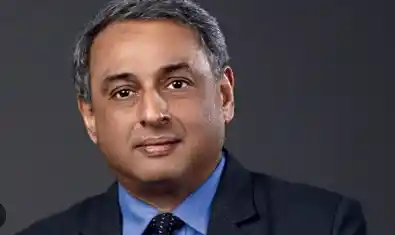
Tata Steel CEO Raises Concerns Over Steel Prices, Chinese Imports

Tata Steel CEO Raises Concerns Over Steel Prices, Chinese Imports

Steel demand rising at 8-9%, but Chinese imports worry Indian industry
Key Points:
-
Tata Steel CEO sees 8-9% growth in domestic steel demand.
-
Government projects expected to boost economy post-monsoon.
-
Rising Chinese imports pressuring steel prices in India.
JAMSHEDPUR – Tata Steel’s Managing Director and CEO, T.V. Narendran, has expressed deep concerns about falling steel prices and the surge in Chinese imports impacting the Indian market.
In an interview with a leading business daily BusinessLine, Narendran highlighted the robust growth in steel demand, which is currently clocking at 8-9%.
He noted that India’s GDP growth stands at an encouraging 6.5-7%, supported by a recovery in sectors such as rural economy and construction.
The demand for motorcycles has seen a sharp rise, indicating healthier rural economic activity, while a slowdown has been observed in the automobile sector.
Post-monsoon, the construction sector is expected to witness significant growth, which may further augment steel demand.
Narendran emphasized that government infrastructure projects, once expedited, could contribute substantially to economic momentum and demand for steel.
However, he pointed to the increasing steel imports from China as a pressing challenge.
“Chinese imports are undercutting domestic prices, putting pressure on the Indian steel industry,” a senior industry expert commented.
Narendran confirmed that the Indian government is reviewing the situation and considering measures such as imposing additional duties on steel imports to curb the impact.
Turning to Tata Steel’s overseas operations, Narendran addressed ongoing workforce reductions in the UK.
He revealed that around 2,000 employees have voluntarily applied for severance, as part of the company’s plan to reduce its workforce by 3,000.
The UK restructuring is progressing through consultations, ensuring amicable solutions for affected employees.
The developments align with the company’s strategy to streamline operations while balancing global challenges.


Join Our Newsletter
Related News
Opinion
You May Also Like
Read More
Discussion
Readers' Comments
Recent
EDITOR PICKS
POPULAR POSTS
MUST READ

ABOUT US
Town Post is a leading News Portal of Jamshedpur and Jharkhand.
FOLLOW US
Contact us: editor@townpost.net
© Town Post, Jamshedpur