
Ratan Tata, Iconic Indian Industrialist, Dies at 86

Ratan Tata, Iconic Indian Industrialist, Dies at 86

Tata Group’s Visionary Leader Leaves Behind a Legacy of Innovation and Philanthropy
Key Points:
• Ratan Tata, chairman emeritus of Tata Sons, passes away at 86
• Led Tata Group’s global expansion and launched world’s cheapest car, Nano
• Known for his commitment to philanthropy and animal welfare
JAMSHEDPUR – The iconic Indian industrialist Ratan Tata, who transformed the Tata Group into a global powerhouse, has died at 86, leaving behind a legacy of innovation and philanthropy.
Ratan Tata’s passing marks the end of an era for Indian industry. His visionary leadership propelled the Tata Group to new heights during his tenure as chairman from 1991 to 2012.
Under his guidance, the conglomerate expanded its global footprint significantly. This expansion included the acquisition of British luxury car brands Jaguar and Land Rover in 2004.
Tata’s commitment to innovation was evident in his ambitious projects. One such project was the launch of the Tata Nano in 2009, billed as the world’s cheapest car.
“Ratan Tata’s vision transformed not just the Tata Group, but the entire landscape of Indian industry,” remarked an industry expert. “His focus on affordable innovation set new benchmarks for the sector.”
Beyond Business: A Philanthropic Legacy

Tata’s influence extended far beyond the boardroom. He was renowned for his philanthropic efforts and commitment to social causes.
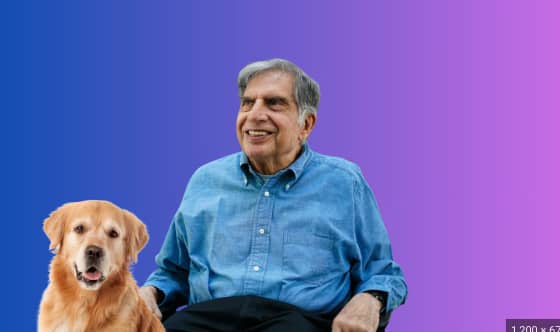
His passion for animal welfare, particularly stray dogs, was well-known. Tata ensured that the Tata Group’s headquarters, Bombay House, remained a sanctuary for strays.
“Mr. Tata’s compassion for animals was truly inspiring,” shared a local animal rights activist. “His efforts have encouraged many others to take up the cause.”
A Life of Purpose and Achievement
Born in 1937, Ratan Tata’s journey to becoming an industrial titan was marked by perseverance and dedication. He was raised by his grandmother after his parents’ separation in 1948.
Tata pursued architecture at Cornell University and later completed a management course at Harvard. These educational experiences shaped his approach to business and innovation.
Despite stepping down as chairman, Tata remained an influential figure. He continued to head the group’s charitable trusts and maintained a strong social media presence.
“Ratan Tata’s life serves as an inspiration to aspiring entrepreneurs,” noted a business school professor. “His blend of business acumen and social responsibility is a model for future leaders.”
(Read an Obituary here.)


Join Our Newsletter
Related News
Opinion
You May Also Like
Read More
Discussion
Readers' Comments
Recent
EDITOR PICKS
POPULAR POSTS
MUST READ

ABOUT US
Town Post is a leading News Portal of Jamshedpur and Jharkhand.
FOLLOW US
Contact us: editor@townpost.net
© Town Post, Jamshedpur