
Modern Medicine Transforms Pregnancy Care in Jamshedpur

Modern Medicine Transforms Pregnancy Care in Jamshedpur

Fetal Diseases Now Detectable During Pregnancy Through Advanced Medical Technology
Key Points:
- FOGSI genetics committee chairperson addresses JOGS biennial ceremony in Bistupur
- Three ultrasound scans mandatory from conception to delivery for detecting abnormalities
- Anemia affects 50% Indian women impacting maternal and fetal health
JAMSHEDPUR – Advanced medical technology now enables detection and treatment of fetal diseases during pregnancy through regular monitoring and genetic screening.
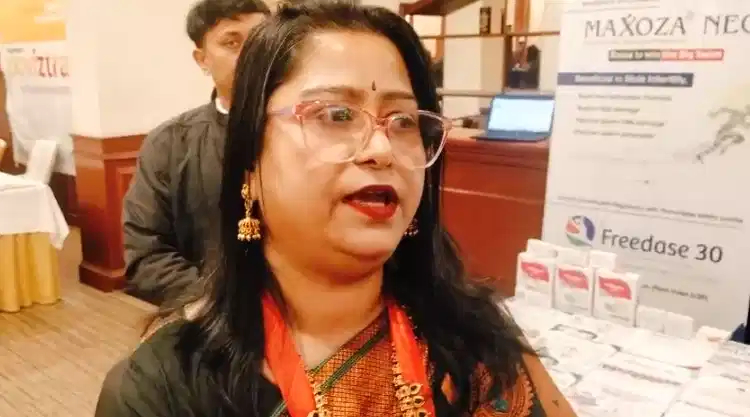
Dr. Seetha Ramamurthy Pal addressed Saturday’s program. She chairs FOGSI’s Genetics and Fetal Medicine Committee. The senior physician works at Apollo Hospital in Kolkata.
The event occurred at a Bistupur hotel. Jamshedpur Obstetrics and Gynaecological Society organized the biennial ceremony.
New fetal medicine techniques reveal conditions early. Genetic testing shows baby’s status within first trimester. However, physical structure develops by third month.
Initial scans detect congenital abnormalities effectively. Treatable problems receive intervention during pregnancy. Moreover, three ultrasound examinations remain essential.
Fifth-month anatomy scans provide crucial information. These detect genetic problems and spinal issues. On the other hand, final-trimester scans assess overall health.
Prenatal care enables parents to prepare adequately. Some defects lack current treatment options. Besides, parental consent guides further medical procedures.
Timely screening reduces mental stress significantly. Families make informed decisions with proper guidance. In addition, detection prevents unnecessary complications.
Anemia impacts approximately 50% of Indian women. Nutritional deficiency causes this widespread problem. Meanwhile, irregular monitoring worsens the condition.
The deficiency affects maternal health directly. Fetal development suffers from maternal anemia. Furthermore, Jharkhand shows higher thalassemia cases.
West Bengal also reports increased thalassemia incidence. Pregnancy screening now identifies these conditions. However, early detection improves management outcomes.
Women over 35 face greater risks. Complications increase with advancing maternal age. Down syndrome affects one in 700 pregnancies.
Risk escalates significantly after age 40. Advanced medical facilities monitor high-risk pregnancies. In contrast, younger mothers experience fewer complications.
Regular checkups ensure healthier outcomes. Medical science continues advancing rapidly. Healthcare providers recommend consistent prenatal monitoring.
Lifestyle modifications improve maternal health. Balanced nutrition prevents anemia development. Modern reproductive medicine offers comprehensive pregnancy support.


Join Our Newsletter
Related News
Opinion
Read More
Discussion
Readers' Comments
Recent
EDITOR PICKS
POPULAR POSTS
MUST READ

ABOUT US
Town Post is a leading News Portal of Jamshedpur and Jharkhand.
FOLLOW US
Contact us: editor@townpost.net
© Town Post, Jamshedpur