
Jharkhand Witnesses Sharp Temperature Drop Since November 25

Jharkhand Witnesses Sharp Temperature Drop Since November 25

Northwestern Winds Intensify Cold as Mercury Falls 2 Degrees Celsius
Key Points:
- Jharkhand records 2-degree Celsius drop in minimum temperature since November 25
- Mercury may fall another 2 degrees in next two days
- Fog and mist expected across districts from November 26 to 30
JAMSHEDPUR – Jharkhand experienced significant weather changes starting November 25 as northwestern wind speeds increased substantially.
The state recorded a 2-degree Celsius decline in minimum temperature. Cold intensity increased sharply over the past 24 hours. Moreover, northwestern winds brought noticeable chill across the region.
Meteorological forecasts predict further temperature decline ahead. The mercury may drop another 2 degrees Celsius. However, this decrease will occur over the next two days.
The chill factor will intensify with the temperature fall. Residents will experience increased cold sensations during mornings. Besides, evening hours will also witness sharper cold conditions.
Temperature recovery appears likely from November 28 onward. Minimum readings may rise by 2 to 3 degrees. On the other hand, this increase will provide slight relief.
The month’s final days will see moderate cold conditions. Sharp winter intensity will reduce somewhat after November 28. Furthermore, daytime temperatures will remain relatively comfortable during sunny periods.
Morning hours before sunrise will maintain cold conditions regardless. Evening periods after sunset will continue experiencing pleasant chill. In addition, residents should prepare for fluctuating temperature patterns.
Fog and mist will blanket most districts between dates. The weather phenomenon will occur from November 26 to 30. Moreover, morning visibility will reduce significantly during this period.
Partial cloud cover will follow morning fog conditions. Skies will remain partly cloudy throughout the day. However, sunshine will penetrate clouds during afternoon hours.
Residents rushed to markets for warm clothing purchases recently. Shops selling winter garments witnessed considerable customer footfall. Furthermore, vendors reported increased sales of woolen items.
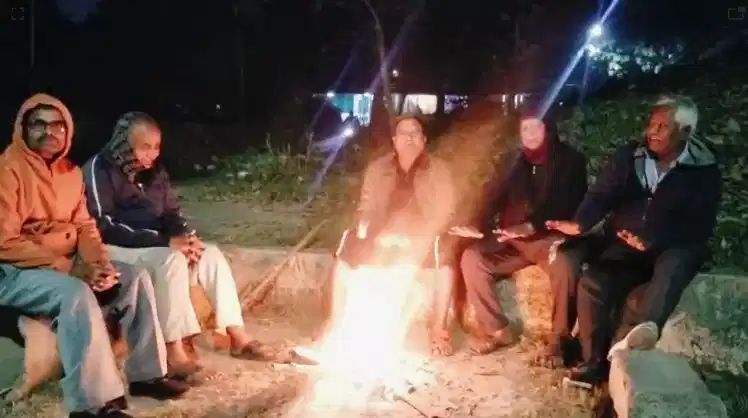
People started gathering around bonfires outside homes for warmth. The traditional practice of lighting fires increased across residential areas. Besides, community bonfire gatherings became common evening sights.
Jamshedpur markets displayed extensive winter clothing collections currently. Sweaters, jackets, and shawls attracted maximum buyer attention. In addition, blanket sales picked up momentum significantly.
Shopkeepers reported brisk business in thermal wear categories. Children’s winter clothing sections witnessed particularly heavy crowds. Moreover, affordable pricing attracted middle-class family shoppers predominantly.
Northwestern wind patterns typically bring cold waves annually. These winds originate from northern plains and mountains. However, their intensity varies based on atmospheric conditions.
The temperature drop affected daily routines across the state. Morning activities started later due to increased cold. Furthermore, evening outdoor movements reduced noticeably among residents.
Schools may consider timing adjustments if cold intensifies further. Parents expressed concerns about children’s early morning commutes during peak winter. Besides, health precautions become necessary during extreme cold spells.
Cold conditions typically persist through December and January. February witnesses gradual temperature recovery across the region. In addition, spring arrives by late February usually.
Vulnerable populations require special protection during cold waves. Homeless individuals face maximum exposure to harsh weather. Moreover, elderly citizens need additional care during temperature extremes.
The partial cloud cover will prevent excessive heat loss. Night temperatures may stabilize slightly due to cloud insulation. However, open skies would accelerate further temperature drops.
Weather monitoring continues across all district meteorological stations. Forecasters track wind patterns and temperature trends continuously. Furthermore, advisories will issue if extreme conditions develop.
Residents should maintain adequate warm clothing supplies currently. Layered dressing helps cope with fluctuating day-night temperatures. Weather patterns remain unpredictable during transition periods typically.


Join Our Newsletter
Related News
Opinion
You May Also Like
Read More
Discussion
Readers' Comments
Recent
EDITOR PICKS
POPULAR POSTS
MUST READ

ABOUT US
Town Post is a leading News Portal of Jamshedpur and Jharkhand.
FOLLOW US
Contact us: editor@townpost.net
© Town Post, Jamshedpur