
Ratan Tata's Humble Beginnings in Jamshedpur Hostel

Ratan Tata’s Humble Beginnings in Jamshedpur Hostel

Former Tata Chairman started career in Dealer’s Apprentice Hostel Room 11
Key Points:
• Ratan Tata began as trainee in Jamshedpur’s Dealer’s Apprentice Hostel
• Tata Motors hostels nurture young engineering talent since 1956
• Hostel experience shaped Tata’s leadership and people-first approach
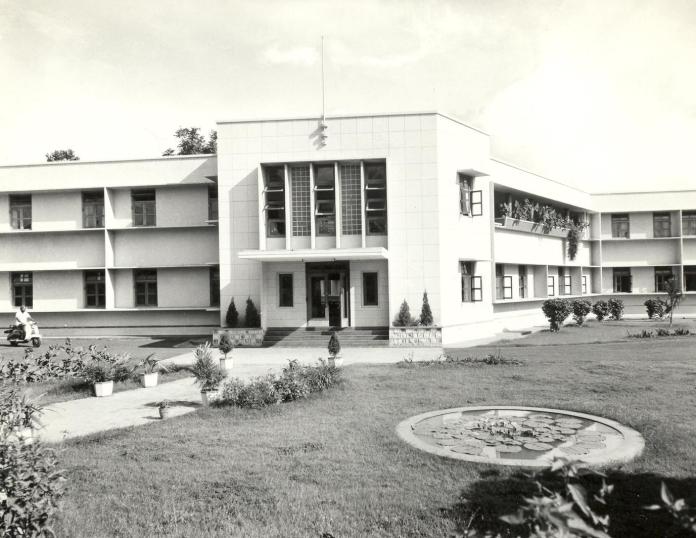
JAMSHEDPUR – Ratan Tata’s illustrious career began in a modest room at Tata Motors’ Dealer’s Apprentice Hostel, fostering a lifelong connection with Jamshedpur.
The iconic industrialist’s journey started in Room No. 11 of the hostel.
This humble beginning laid the foundation for his future leadership of the Tata Group.
Tata Motors, then known as TELCO, has a long-standing tradition of nurturing young talent.
In 1956, the company constructed three distinct hostels for trainees and young engineers.
These facilities included the Graduate Engineer Trainee (GET) Hostel and Graduate Engineer (GE) Hostel.
The Dealer’s Apprentice Hostel, where Tata resided, was also among these accommodations.
These hostels aimed to create a close-knit community among the trainees.
Moreover, they ensured that the basic needs of young engineers were adequately met.
The hostels attracted top engineering talent from across India and abroad.
Many residents, like Ratan Tata, went on to become industry leaders and innovators.
These hostels have associations with some unique success stories too.
For trainees, these accommodations were more than just a place to stay.
They served as cradles nurturing future industrial giants.
Ratan Tata’s days as a trainee were spent learning the intricacies of the automotive industry.
His nights, on the other hand, were filled with camaraderie among fellow trainees.
Room No. 11 became a part of the lore surrounding Tata’s early career.
It was a place of reflection for the future visionary leader.
The hostel environment played a crucial role in shaping Tata’s leadership style.
During these formative years, he gained a grassroots understanding of company operations.
His proximity to workers and engineers provided valuable insights into their challenges.
This experience later influenced his people-first approach as Tata Group Chairman.
The hostels were not merely living quarters but hubs of creativity and innovation.
They hosted two major annual cultural festivals: ‘Wheels’ and ‘Ankuran’.
These events, organized by young engineers, involved the entire town of Jamshedpur.
Despite external changes, Tata Motors’ hostels continue to honor their legacy.
They now house over 3,000 trainees annually with modern amenities.
The spirit of camaraderie and mutual support remains unchanged.
Over the years, esteemed Tata Group leaders, including Ratan Tata, have visited these hostels.
Tata’s return as Chairman was a full-circle moment, revisiting the grounds that nurtured his dreams.
This tradition reflects the Tata philosophy of excellence and talent nurturing.


Join Our Newsletter
Opinion
You May Also Like
Read More
Discussion
Readers' Comments
Recent
EDITOR PICKS
POPULAR POSTS
MUST READ

ABOUT US
Town Post is a leading News Portal of Jamshedpur and Jharkhand.
FOLLOW US
Contact us: editor@townpost.net
© Town Post, Jamshedpur