
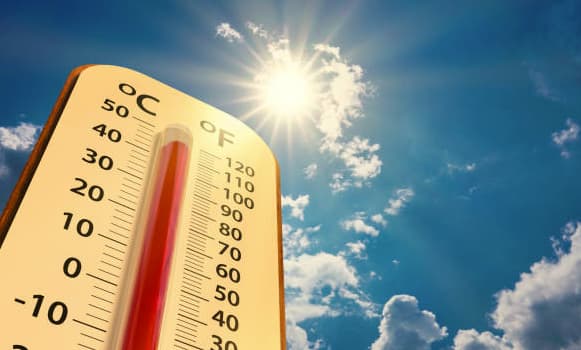
Summer Heatwaves Pose Severe Health Risks, Call for Precaution

Summer Heatwaves Pose Severe Health Risks, Call for Precaution

Understanding and Combating Health Risks During Extreme Summer Heat
Extreme summer heatwaves can significantly impact human health, requiring careful attention to body temperature management and hydration.

Dr. Sarita Kumari
Senior Registrar, Medicine, Tata Main Hospital, Jamshedpur
Summer season is hottest and brightest of all four seasons, where days are long and nights are short. Extended periods of high daytime and nighttime temperatures create cumulative physiological stress on the human body which exacerbates the top causes of death globally.
Exposure to excessive heat has wide ranging physiological impacts for all humans, often amplifying existing conditions and resulting in premature death and disability.
The negative health impacts of heat are predictable and largely preventable with specific public health actions.
We need to prepare ourselves accordingly to overcome this heat and say hello to summer. As heat waves have already started to pour their warmth on us so we need to be prepared to beat the heat
Who is affected?
These include the elderly, infants and children, pregnant women, outdoor and manual workers, athletes, and the poor.
How does heat impact health?
Rapid heat gain due to exposure to hotter than average conditions compromises the body’s ability to regulate temperature and can result in a cascade of illnesses, including heat cramps, heat exhaustion, heatstroke, and hyperthermia. Temperature extremes can also worsen chronic conditions, including cardiovascular, respiratory, and cerebrovascular disease and diabetes-related conditions.
What actions should the public take?
· Aim to keep your living space cool. Ideally, the room temperature should be kept below 32 °C during the day and 24 °C during the night.
· Use the night air to cool down your home. Open all windows and shutters during the night and the early morning, when the outside temperature is lower
· Close windows and shutters (if available) especially those facing the sun during the day.
· Hang wet towels to cool down the room air. Note that the humidity of the air increases at the same time.
· If your residence is air conditioned, close the doors and windows and conserve electricity not needed to keep you cool, to ensure that power remains available and reduce the chance of a community-wide outage.
Stay hydrated:
· Drink sufficient water whenever possible, even if you are not thirsty.
· Carry drinking water when travelling.
· Use Oral Rehydration Solution (ORS), and consume homemade drinks like lemon water, butter milk/lassi, fruit juices with some added salt.
· Eat seasonal fruits and vegetables with high water content like watermelon, musk melon, orange, grapes, pineapple, cucumber, lettuce or other locally available fruits and vegetables.
· Take cool showers or baths. Alternatives include cold packs and wraps, towels, sponging, foot baths, etc.
· Wear light, loose-fitting clothes of natural materials. If you go outside, wear a wide-brimmed hat or cap and sunglasses.
Stay indoors/in shade as much as possible:
· In well-ventilated and cool places
· Block direct sunlight and heat waves: Keep windows and curtains closed during the day, especially on the sunny side of your house. Open them up at night to let cooler air in.
· If going outdoor, limit your outdoor activity to cooler times of the day i.e., morning and evening.
· Reschedule or plan outdoor activities during cooler parts of the day.
Health Impact of Heat: Heat-Related Illnesses
Normal human body temperature ranges between 36.4°C to 37.2°C (97.5°F to 98.9°F)
∙ Exposure to high outdoor and/ indoor temperatures can induce heat stress, directly and indirectly, leading to heat-related illnesses.
∙ Heat stress may also exacerbate chronic diseases like cardiovascular, respiratory, kidney diseases
Watch out for symptoms of heat stress which include:
Extreme thirst
· Decreased urination with unusually dark yellow urine
· Nausea or vomiting
· Headache
· Dizziness or fainting
If you or others feel unwell and experience any of the above symptoms during extreme heat,
∙ Immediately move to a cool place and drink liquids. Water is best.
∙ Get help/medical attention.
∙ Measure your body temperature– if it is raised then give him shower /cold water sponging ,water or ORS to drink so that hydration is maintained
Heatstroke is a medical emergency!
Be aware of Danger signs & seek immediate medical attention if you observe
In adults | In children |
|
· Altered mental sensorium with disorientation, confusion and agitation, irritability, seizure or coma. · Hot, red and dry skin · Surface body temperature ≥40°C or 104°F · Throbbing headache · Anxiety, Dizziness, fainting and light headedness · Muscle weakness or cramps · Nausea and vomiting · Rapid heartbeat/Rapid, shallow breathing |
· Refusal to feed · Excessive irritability · Decreased urine output · Dry oral mucosa & absence of tear/sunken eyes · Lethargy/altered sensorium. · Seizures · Bleeding |
What to do?
Cool the person right away, while waiting, by:
∙ moving them to a cooler place, if you can;
∙ applying cold water to large areas of the skin or clothing; and
fanning the person as much as possible
Most Common Summer Illnesses
Most Common Summer Illnesses are exacerbation of asthma, chicken pox, measles, flu, food poisoning, conjunctivitis (red eyes), mumps etc — all of these can be prevented by proper hygiene, hydration and avoid going to overcrowded places if not necessary. .


Join Our Newsletter
Opinion
Read More
Discussion
Readers' Comments
Recent
EDITOR PICKS
POPULAR POSTS
MUST READ

ABOUT US
Town Post is a leading News Portal of Jamshedpur and Jharkhand.
FOLLOW US
Contact us: editor@townpost.net
© Town Post, Jamshedpur