
Rajan Zed to Open Northwest Territories Assembly with Hindu Text Recitals

Rajan Zed to Open Northwest Territories Assembly with Hindu Text Recitals

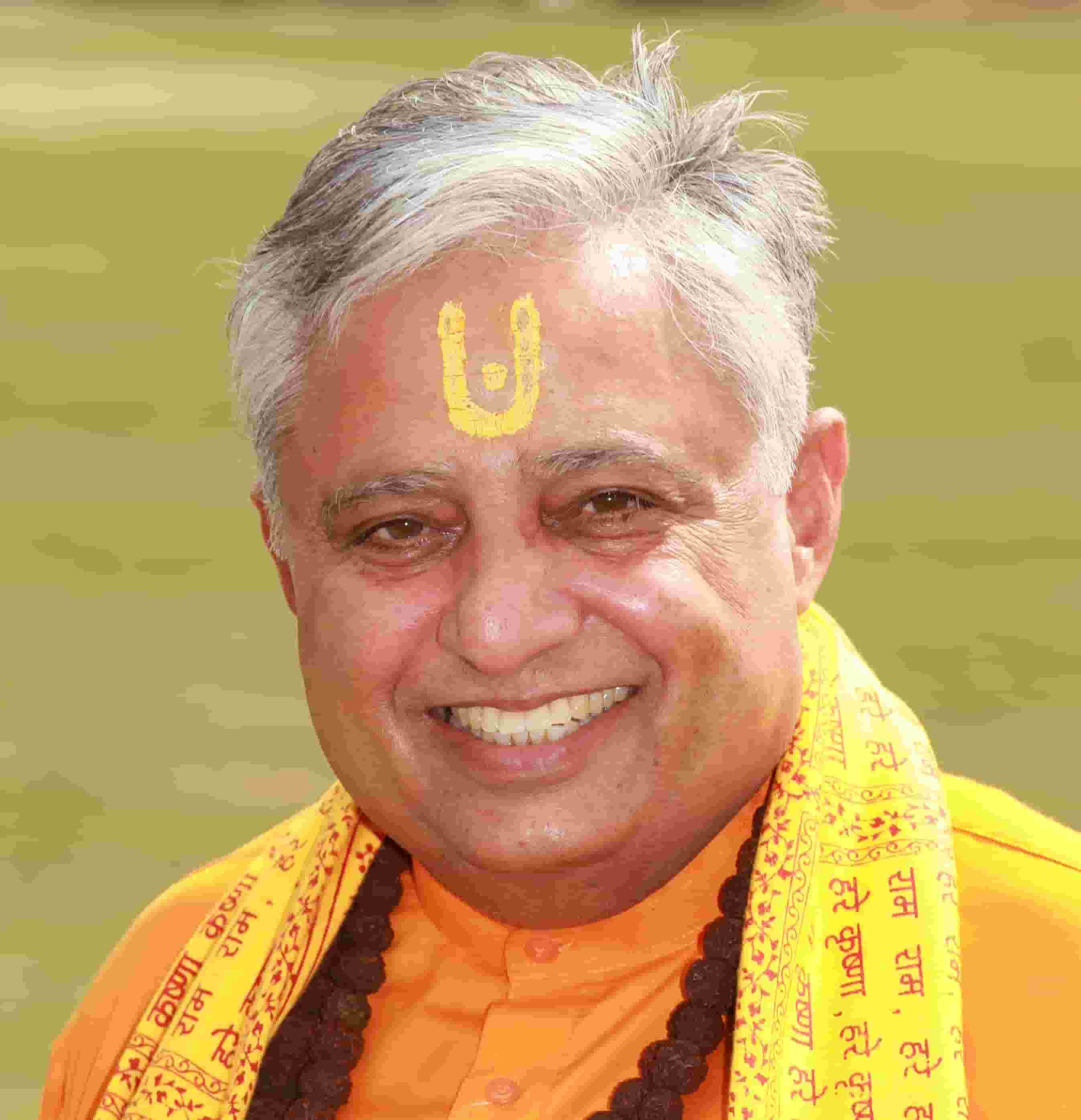
Hindu leader Rajan Zed is set to open Canada’s Northwest Territories Legislative Assembly with Hindu chants, referencing the world’s oldest surviving text.
DESK – The Legislative Assembly of the Northwest Territories, which has been operating under a consensus-based style of governance since its founding in 1951, will witness an unprecedented event on August 21.
The Speaker, Frederick Blake Junior, will oversee the opening of the Assembly with Hindu chants by renowned Hindu leader Rajan Zed.
With 19 members, the Assembly is known for not following party politics, making this spiritual inclusion noteworthy.
Hinduism, the third-largest religion in the world, seeks the ultimate aim of moksh (freedom), and boasts roughly 1.2 billion followers.
Rajan Zed, a prominent interfaith figure and the recipient of the World Interfaith Leader Award, will take center stage at this gathering.
Zed has been actively involved in various interfaith projects, including the Advisory Board of The Interfaith Peace Project and as a Senior Fellow and Religious Advisor for the Foundation for Religious Diplomacy.
His weekly multi-faith panel, "Faith Forum," and participation in "about Faith" discourse sponsored by The Washington Post, have further elevated his status in religious circles.
During the event, he intends to exhort members and other attendees to prioritize the wellbeing of others, a teaching he will reference from the Bhagavad-Gita.
He will also recite the words "Lead us from the unreal to the real, Lead us from darkness to light, and Lead us from death to immortality" from the Brahadaranyakopanishad.
Zed plans to recite passages from ancient Hindu texts, including the Rig-Veda, the oldest book still in use today, the Upanishads, and the Bhagavad-Gita (Song of the Lord).
The mystical word "Om," believed to encapsulate the cosmos, will begin and end the prayer.
Sanskrit, the original language of Indo-European languages and a holy language in Hinduism, will be used for the recitation, followed by a reading in English.


Join Our Newsletter
Opinion
You May Also Like
Read More
Discussion
Readers' Comments
Recent
EDITOR PICKS
POPULAR POSTS
MUST READ

ABOUT US
Town Post is a leading News Portal of Jamshedpur and Jharkhand.
FOLLOW US
Contact us: editor@townpost.net
© Town Post, Jamshedpur