
Tata Steel Zoo Unveils State-of-the-Art Veterinary Hospital in Jamshedpur

Tata Steel Zoo Unveils State-of-the-Art Veterinary Hospital in Jamshedpur

Advanced facility boosts animal care capabilities at Jamshedpur’s Tata Steel Zoological Park
The newly inaugurated Central Treatment Veterinary Hospital at Tata Steel Zoo enhances wildlife healthcare with cutting-edge equipment and facilities.
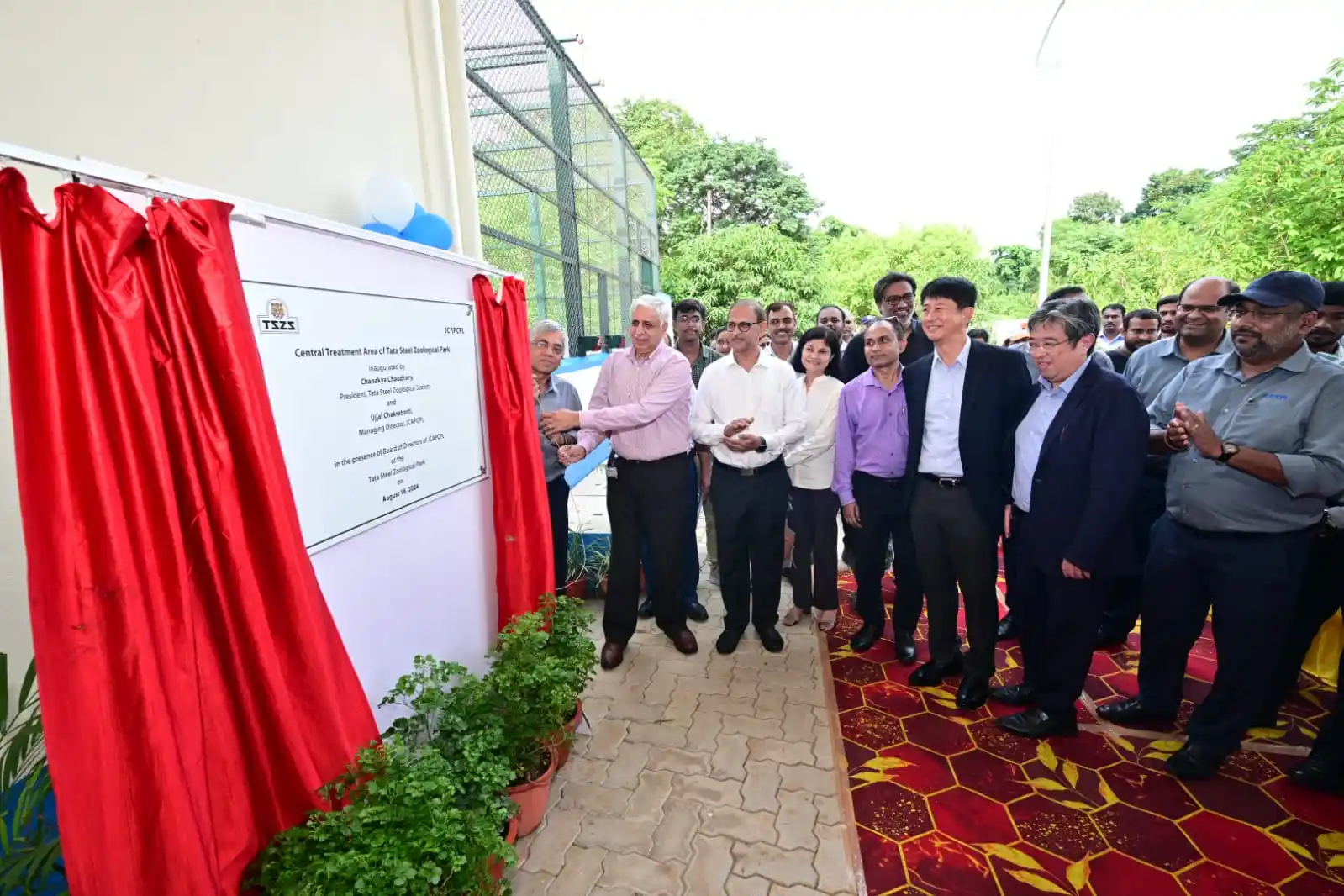
JAMSHEDPUR – A modern veterinary hospital has been inaugurated at the Tata Steel Zoological Park, significantly upgrading animal care capabilities.
Chanakya Chaudhary, Vice President of Tata Steel Corporate Services, officially opened the facility by cutting the ribbon.
The event was attended by zoo veterinarians and several officials.
Dr. Sumit, the zoo’s veterinarian, was present at the inauguration alongside other key personnel.
Hospital Features and Capabilities
The new hospital is equipped to provide comprehensive care for zoo animals, including:
– Advanced diagnostic equipment
– Surgical facilities
– Post-mortem examination capabilities
– A dedicated morgue
Key Features of the New Veterinary Hospital
Feature | Purpose |
|
Surgical Theater |
For complex animal procedures |
|
Diagnostic Lab |
For rapid health assessments |
|
X-ray and Ultrasound |
For non-invasive diagnostics |
|
Incubator |
To support egg hatching |
|
Incinerator |
For safe disposal of animal remains |
|
Post-mortem Area |
For pathological studies |
Mr. Chaudhary remarked, “While a hospital existed previously, this upgrade introduces state-of-the-art equipment, enhancing our ability to treat and care for the zoo’s diverse inhabitants.”
Tata Steel’s Commitment to Conservation
The establishment of this advanced facility is part of Tata Steel’s ongoing efforts to transform the zoological park.
These initiatives aim to elevate the zoo to international standards, focusing on wildlife preservation and public education.
The company has been actively involved in renovating the zoo over several years, with the veterinary hospital being a crucial component of this development plan.
Future Developments
Zoo officials hinted at upcoming projects, including:
1. New enclosures for various species
2. Enhanced visitor facilities
3. Continued focus on conservation and education programs


Join Our Newsletter
Opinion
You May Also Like
Read More
Discussion
Readers' Comments
Recent
EDITOR PICKS
POPULAR POSTS
MUST READ

ABOUT US
Town Post is a leading News Portal of Jamshedpur and Jharkhand.
FOLLOW US
Contact us: editor@townpost.net
© Town Post, Jamshedpur