
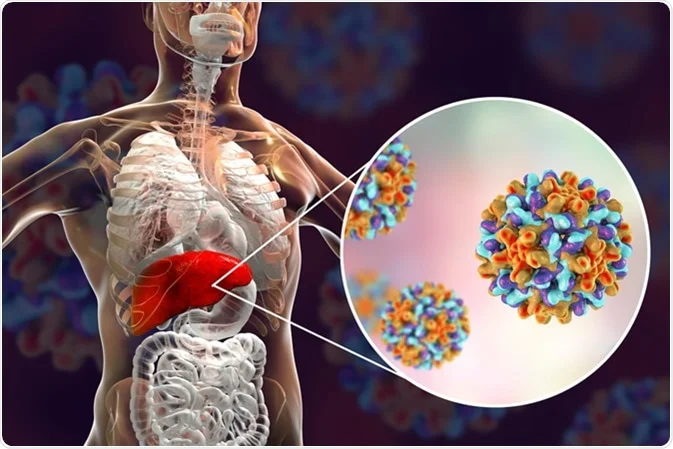
World Hepatitis Day 2024: Raising Awareness and Promoting Action on Hepatitis

World Hepatitis Day 2024: Raising Awareness and Promoting Action on Hepatitis

Annual Observation on July 28 Aims to Highlight the Dangers of Hepatitis and Encourage Testing, Treatment, and Vaccination

Dr. Amiya Ranjan
Specialist, Department of Gastroenterology, Tata Main Hospital
World Hepatitis Day, held on July 28, seeks to increase awareness of viral hepatitis and its associated health risks. This date marks the birthday of Dr. Baruch Blumberg, the Nobel laureate who discovered the hepatitis B virus and developed a diagnostic test and vaccine.
World Hepatitis Day is observed annually on 28th July and is dedicated to raising awareness about viral hepatitis and the problems that it can cause.
The 28th of July was chosen because it is the birthday of Nobel-prize winning scientist Dr Baruch Blumberg, who discovered hepatitis B virus (HBV) and developed a diagnostic test and vaccine for the virus.
The theme of this year’s World Hepatitis Day is “Take Action. Test, treat, vaccinate”.
What is hepatitis?
Hepatitis is the inflammation of the liver that is caused by a variety of infectious viruses and noninfectious agents (alcohol, certain medicines, fatty liver) leading to a range of health problems, some of which can be fatal. There are five main strains of the hepatitis virus, referred to as types A, B, C, D and E. While they all cause liver disease, they differ in important ways including modes of transmission, severity of the illness, geographical distribution and prevention methods.
Disease burden
Hepatitis B and C lead to chronic disease in hundreds of millions of people and together are the most common cause of liver cirrhosis, liver cancer and viral hepatitis-related deaths. An estimated 354 million persons are living with chronic hepatitis B (HBV) or C (HCV) virus infection. Half the burden of chronic hepatitis B and C is among people 30–54 years old and 12% among children under 18 years of age.
Symptoms:
Some cases have no symptoms. When symptoms occur, they can include yellow skin or eyes (jaundice), nausea, abdominal pain, fatigue and fever.
What we can do-
Some types of hepatitis are preventable through vaccination. A WHO study found that an estimated 4.5 million premature deaths could be prevented in low- and middle-income countries by 2030 through vaccination, diagnostic tests, medicines and education campaigns.
1. Prevention:
a) Avoid taking substances that can be potentially toxic to the liver like alcohol, certain herbal supplements etc. Take over the counter medicines in correct dose. Avoid taking medicines without prescription.
b) Ensuring proper diet and adequate exercise for prevention of fatty liver.
c) Immunisation against Hepatitis B and Hepatitis A. Ensure a protective titre level esp. for personnel at risk for transmission.
d) Safe sexual practices
e) Post exposure prophylaxis
f) Providing vaccine and immunoglobulin to babies born to Hepatitis B positive mothers
g) Avoiding getting tattoos, ear piercing, blood transfusion etc from unreliable sources
h) Stopping injectable drug abuse
i) Avoid getting injections from quacks and unreliable sources
2. Testing
a) Testing of all pregnant women for hepatitis b and c
b) Early testing of symptomatic individuals
c) Routine testing of people who are at risk of exposure
3. Treatment
Ensuring proper and prompt treatment and regular follow up is very important.
Hepatitis B:
Most people who get hepatitis B recover shortly on their own. But for those who develop a chronic infection, hepatitis B is lifelong but there are effective oral
medicines available and with regular testing and treatment most people can expect to live healthy long lives.
If one has chronic hepatitis B, it’s very important to stay connected with a qualified healthcare provider. Regular check-ups are required every six months or as directed. Check-ups will include various liver tests to monitor the disease and watch for complications. One should always check with their doctor before taking any new medicine, including herbal medicines. Some herbs may be harmful to the liver, or they may not mix with other medications.
One should avoid drinking alcohol and follow a healthy diet to manage their body weight. Alcohol and overweight can add unnecessary stress to the liver.
It is also important to take necessary steps to protect against other liver infections like Hepatitis A, for which vaccine is available.
Also it is important to get tested for hepatitis C and get treatment if one has it. Hepatitis C is curable.
Hepatitis C:
Hepatitis C treatment regimens have extremely high success rates. There is roughly a 95 percent cure rate overall.
Treatment is usually 8-12 weeks long but can be as much as 16 weeks long in certain situations. Some patients with more damage to their liver may require 24 weeks of treatment, but this is uncommon. The duration depends on the medication, and specific HCV factors in particular patients.


Join Our Newsletter
Related News
Opinion
You May Also Like
Read More
Discussion
Readers' Comments
Recent
EDITOR PICKS
POPULAR POSTS
MUST READ

ABOUT US
Town Post is a leading News Portal of Jamshedpur and Jharkhand.
FOLLOW US
Contact us: editor@townpost.net
© Town Post, Jamshedpur