
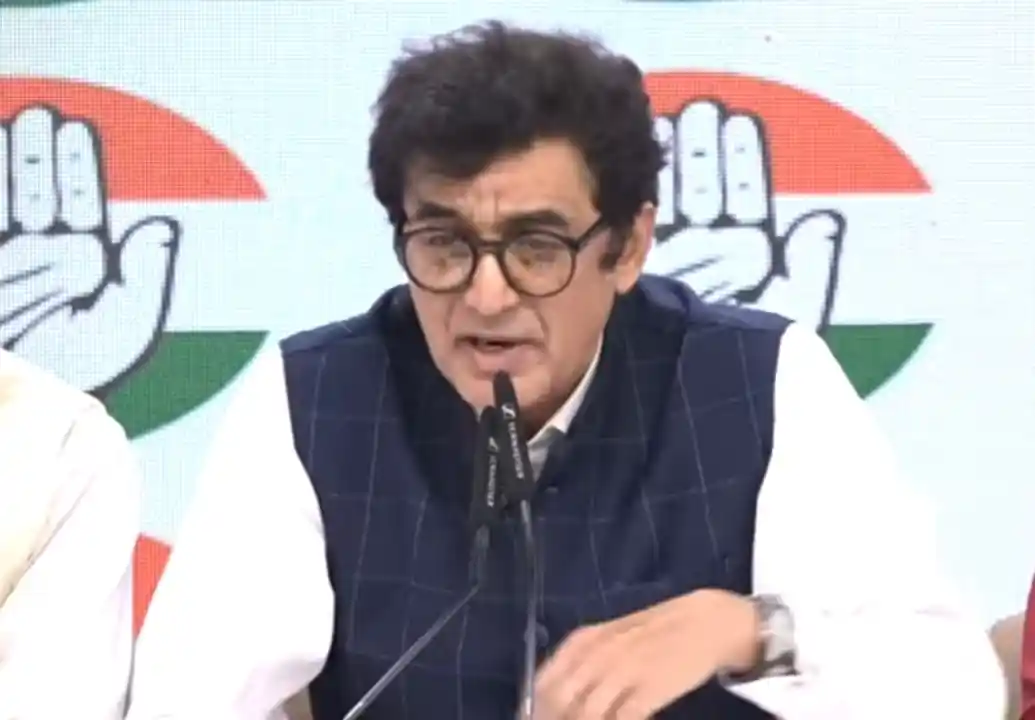
Dr. Ajoy Kumar Accuses BJP of Denying Justice to Victims

Dr. Ajoy Kumar Accuses BJP of Denying Justice to Victims

Dr. Ajoy Kumar Cites Odisha Raj Bhavan Incident as Example of BJP’s "Conduct and Character"
Former MP claims pattern of punishing victims instead of perpetrators in BJP-ruled states.
JAMSHEDPUR – Dr. Ajoy Kumar, former MP and senior Congress leader, has leveled serious allegations against the BJP government, accusing it of systematically denying justice to victims and instead punishing them for speaking out.
In a press release issued Wednesday, Kumar highlighted a recent incident involving Odisha Raj Bhavan employee Baikunth Pradhan and Lalit Das, son of Governor Raghuvar Das.
"This case exemplifies the BJP’s conduct and character," Dr. Kumar stated. "Victims do not get justice in BJP-ruled states. Instead, they face punitive actions for seeking redress."
Controversial Incident and Aftermath
The controversy centers around several key points:
1. Alleged Assault: Baikunth Pradhan accused Lalit Das of assault and death threats on July 7.
2. Inaction: Despite assurances from Governor Das, no action was taken against Lalit Das.
3. Victim’s Transfer: Pradhan was unexpectedly transferred to the Home Department following his complaint.
Dr. Kumar drew parallels to similar incidents during Raghubar Das’s tenure as Jharkhand Chief Minister, where victims were allegedly humiliated in public meetings.
"There’s a pattern of such behavior in BJP-ruled states," Kumar asserted. "In Uttar Pradesh, we’ve seen numerous cases where victims were punished for ‘defaming’ the government instead of receiving justice."
Calls for Accountability
The Congress leader raised several demands:
– Immediate action against Lalit Das
– Explanation for the lack of investigation into Pradhan’s allegations
– Measures to ensure victims can seek justice without fear of reprisal
"Why has no action been taken against Lalit Das till now?" Dr. Kumar questioned, challenging the BJP leadership to respond.
Kumar also highlighted growing discontent among Odisha’s government officials, claiming such incidents contribute to a climate of fear and dissatisfaction.
As this controversy unfolds, it underscores broader debates about accountability, justice, and the treatment of victims in India’s political landscape.


Join Our Newsletter
Opinion
You May Also Like
Read More
Discussion
Readers' Comments
Recent
EDITOR PICKS
POPULAR POSTS
MUST READ

ABOUT US
Town Post is a leading News Portal of Jamshedpur and Jharkhand.
FOLLOW US
Contact us: editor@townpost.net
© Town Post, Jamshedpur