
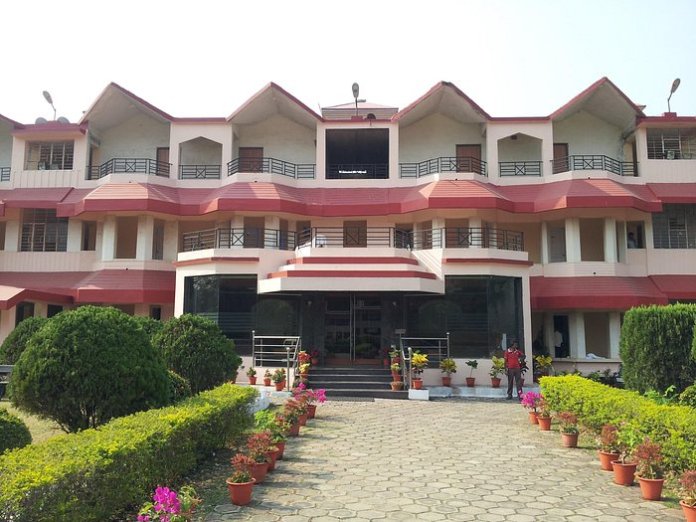
Noise Pollution Sparks Conflict in Jamshedpur's Eco-Sensitive Zone

Noise Pollution Sparks Conflict in Jamshedpur’s Eco-Sensitive Zone

Asanboni Villagers Seek Relief from Late-Night Hotel Celebrations
Local community’s plea highlights tension between hospitality industry and environmental preservation near Dalma hills.
JAMSHEDPUR – Residents of Asanboni village, nestled in the Dalma foothills near Jamshedpur, have formally complained to local authorities about persistent noise pollution from nearby hotels, igniting a debate on sustainable development in eco-sensitive areas.
The villagers approached Chandil Sub-Divisional Officer (SDO) Subhra Sarkar, demanding action against late-night disturbances from events at establishments like Wave International and 10th Mile Stone.
"The constant noise from DJs and fireworks is disrupting our lives and the local wildlife," stated a village elder, who wished to remain anonymous. "We’ve tried reasoning with the hotels, but our pleas have fallen on deaf ears."
Impact on Community and Environment
The conflict highlights several key issues:
1. Sleep Deprivation: Villagers report significant sleep disturbances due to late-night celebrations.
2. Wildlife Concerns: Noise pollution potentially affects the nearby Dalma Elephant Sanctuary’s fauna.
3. Eco-Sensitive Zone Regulations: Questions arise about enforcement of environmental protection rules.
SDO Subhra Sarkar has assured the community of prompt action, stating, "We take these concerns seriously and will work towards a solution that respects both local businesses and residents’ rights to peace."
Balancing Development and Conservation
This situation underscores broader challenges:
– Economic vs. Environmental Interests: The hospitality industry’s growth conflicts with ecological preservation.
– Regulatory Enforcement: Effectiveness of current noise pollution laws in eco-sensitive zones is questioned.
– Community Empowerment: Villagers’ proactive stance signifies growing environmental awareness at the grassroots level.
A local environmental activist commented, "This case exemplifies the delicate balance needed between development and conservation. It’s crucial that we find sustainable solutions that benefit all stakeholders."
As the administration considers its next steps, the outcome of this conflict could set a precedent for similar situations across India’s eco-sensitive regions.
The Asanboni villagers’ struggle serves as a reminder of the ongoing challenge to harmonize human activities with nature conservation in rapidly developing areas.


Join Our Newsletter
Opinion
You May Also Like
Read More
Discussion
Readers' Comments
Recent
EDITOR PICKS
POPULAR POSTS
MUST READ

ABOUT US
Town Post is a leading News Portal of Jamshedpur and Jharkhand.
FOLLOW US
Contact us: editor@townpost.net
© Town Post, Jamshedpur