
Dengue Fever: A Rising Threat to Global Health, Prevention and Management Strategies

Dengue Fever: A Rising Threat to Global Health, Prevention and Management Strategies

WHO Identifies Dengue as One of the Top Ten Threats to Global Health, India Reports Cases in All States Except Ladakh

Dr. Kumar Diwakar
Senior Consultant and HOD, Paediatrics, Tata Main Hospital, Jamshedpur
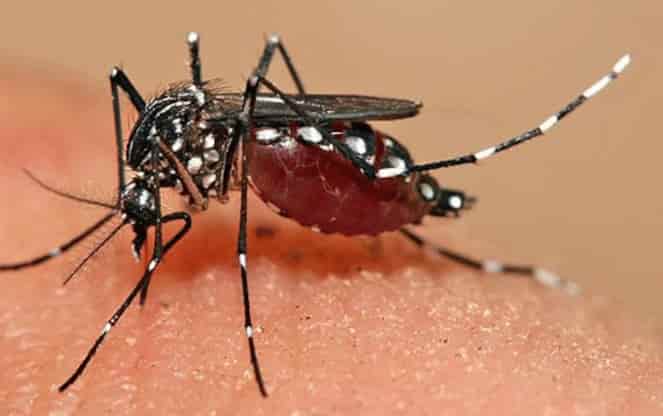
Dengue, a viral fever transmitted by the Aedes aegypti mosquito, has emerged as a significant threat to global health, with the World Health Organization (WHO) identifying it as one of the top ten health risks in 2019. The incidence of dengue has been on the rise in recent years, with all states and union territories in India, except for Ladakh, reporting cases of the disease.
Dengue is a mosquito-borne viral fever. In 2019, the World Health Organization (WHO) identified ten threats to global health, and dengue is one of them.
The incidence of dengue has been increasing in recent years, and except for Ladakh, all the states and union territories in India are reporting dengue cases.
Dengue is transmitted by the bite of the infective Aedes aegypti mosquito, and the disease manifests after 5-6 days of being bitten by an infected mosquito.
Signs and symptoms of dengue fever:
– Abrupt onset of high fever
– Headache
– Pain behind the eyes, which worsens with eye movement
– Muscle and joint pains
– Rash over the chest and upper limbs
– Nausea and vomiting
Severe dengue symptoms:
– Frequent vomiting, with or without blood
– Bleeding from the nose, mouth, gums, and skin rashes
– Sleepiness and restlessness
– Thirst and dry mouth
– Difficulty in breathing
Vector of dengue fever:
The Aedes mosquito takes 7-8 days to grow the virus in its body and then bite someone else to spread the illness. They thrive in domestic and peri-domestic settings, in shady nooks of homes, under furniture, or on hanging items like clothes or umbrellas. Any man-made container, even with a small amount of water, can be a breeding ground for Aedes mosquitoes.
Prevention:
Avoiding mosquito bites is the best way to prevent dengue illness.
Dengue vaccines are not licensed in our country. Wear clothes that cover as much of your body as possible, use mosquito repellent creams or sprays to keep mosquitoes away, and take measures to remove mosquito breeding sources from your home by keeping everything tidy, covering all water containers, and changing the water in pots and vases once a week.
Community participation: Sensitizing and involving the community for the detection of Aedes breeding places and their elimination is very important to prevent dengue outbreaks.
Management of dengue cases: Persons suspected of having symptoms of dengue fever must consult a doctor.
Like several other viral diseases, dengue fever typically resolves on its own, with less than 1% of cases resulting in death. Most patients have mild presentations that can be treated at home with supportive care while being closely monitored by a trained medical professional.
Adequate oral fluids (ORS, coconut water, lassi, or buttermilk), bed rest, and the administration of paracetamol for fever are recommended. A doctor must closely monitor the disease’s progression from mild to moderate to severe, and patients who experience moderate to severe symptoms must be admitted to the hospital.
High-risk groups for developing severe dengue: The elderly (because they have lower immunity and usually have other comorbidities), people suffering from obesity or other chronic diseases (such as diabetes, heart diseases, high blood pressure, thalassemia, etc.), and infants.
Dos and don’ts:
– Take the water out of coolers and other small containers at least once a week.
– Use anti-mosquito aerosol fogging throughout the day to avoid mosquito bites.
– Avoid clothing that bares your arms or legs.
– Do not let children play in shorts and t-shirts.
– Sleep with mosquito netting or repellent applied during the day.


Join Our Newsletter
Related News
Opinion
You May Also Like
Read More
Discussion
Readers' Comments
Recent
EDITOR PICKS
POPULAR POSTS
MUST READ

ABOUT US
Town Post is a leading News Portal of Jamshedpur and Jharkhand.
FOLLOW US
Contact us: editor@townpost.net
© Town Post, Jamshedpur