
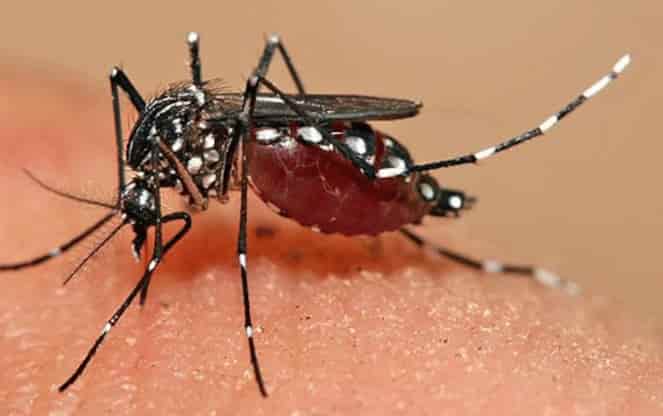
Dengue awareness: Know the symptoms and prevention tips

Dengue awareness: Know the symptoms and prevention tips

Understanding dengue symptoms and following preventive measures is crucial to stay safe from this mosquito-borne disease.
Dengue fever, transmitted by Aedes mosquitoes, requires vigilance in symptoms and prevention, as cases continue to rise.

Dr. Manish Kumar
Consultant, Medical Indoor Services, Tata Main Hospital, Jamshedpur
Dengue fever, also known as break-bone fever, is a viral infection that spreads from mosquitoes to people, through the bites of infected female mosquitoes Aedes aegypti.
The first evidence of occurrence in India was reported in 1956 from Vellore district in Tamil Nadu. In 1996, one of the most severe outbreaks of dengue fever occurred in Delhi, with 10,252 reported cases and 423 deaths.
In 2006, the country witnessed an outbreak of dengue fever with 12,317 cases and 184 deaths. During 2014, a total of 40,571 cases were reported, which increased to 1,88,401 in 2017 and 2,89,000 in 2023.
Last year (August and September 2023), TMH experienced an unprecedented surge of patients presenting with Dengue fever in various stages of the disease and severity, with the need of hospitalisation.
Total 2058 adult confirmed dengue patients were treated in Department of Medicine.
This year till date we have managed total 20 confirmed cases.
The factors that contributed to the emergence of dengue as the classic disease of 21st century are urbanization, increase in travel/trade, highly efficient and adaptive mosquito vector, thriving of larvae and adults in urban areas, inability to avoid day biting of Aedes vectors, and difficulty in effectively implementing environmental vector control.
Symptoms usually begin five to six days after infection and can include:
· Abrupt onset of high fever
· Headache
· Pain behind the eyes which worsens with eye movement.
· Muscle and joint pains
· Rash over chest and upper limbs
· Nausea and vomiting
· Fatigue
Severe Dengue Symptoms like:
· Frequent vomiting with or without blood
· Bleeding from nose, mouth & gums, and skin rashes
· Sleepiness and restlessness
· Patient feels thirsty and mouth becomes dry
· Difficulty in breathing
Management of dengue cases
· Person suspected of having symptoms of dengue fever must consult a doctor.
· There is no specific treatment for dengue fever, it typically resolves on its own like with several other viral diseases.
· Most patients have mild presentations that can be treated at home with supportive care while being closely monitored by a trained medical professional.
· Adequate oral fluid (ORS, coconut water, lassi, or buttermilk), bed rest, and the administration of paracetamol for fever are recommended.
· A doctor must closely monitor the disease’s progression from mild to moderate to severe, and patients who experience moderate to severe symptoms must be admitted to the hospital.
High risk group to develop severe dengue:
Elderly (because they have lower immunity and usually have other comorbidities), people suffering from obesity or other chronic diseases (such as diabetes, heart diseases, high blood pressure, thalassemia, etc.), infants.
Prevention:
Avoiding mosquito bites is the only way to prevent dengue illness because dengue vaccine is still not available and under third phase trial in India.
Dos and Don’ts
· Measures to remove mosquitos breeding, take the water out of coolers and other small containers like pots, and vases at least once a week.
· To avoid mosquito bites throughout the day, use mosquito repellent cream or sprays.
· Wear clothes that cover as much of your body as you can
· It is not appropriate to let kids play in shorts and t-shirts.
· During the day, sleep with mosquito netting or repellent applied.
· Use air conditioning when available.


Join Our Newsletter
Related News
Opinion
Read More
Discussion
Readers' Comments
Recent
EDITOR PICKS
POPULAR POSTS
MUST READ

ABOUT US
Town Post is a leading News Portal of Jamshedpur and Jharkhand.
FOLLOW US
Contact us: editor@townpost.net
© Town Post, Jamshedpur