
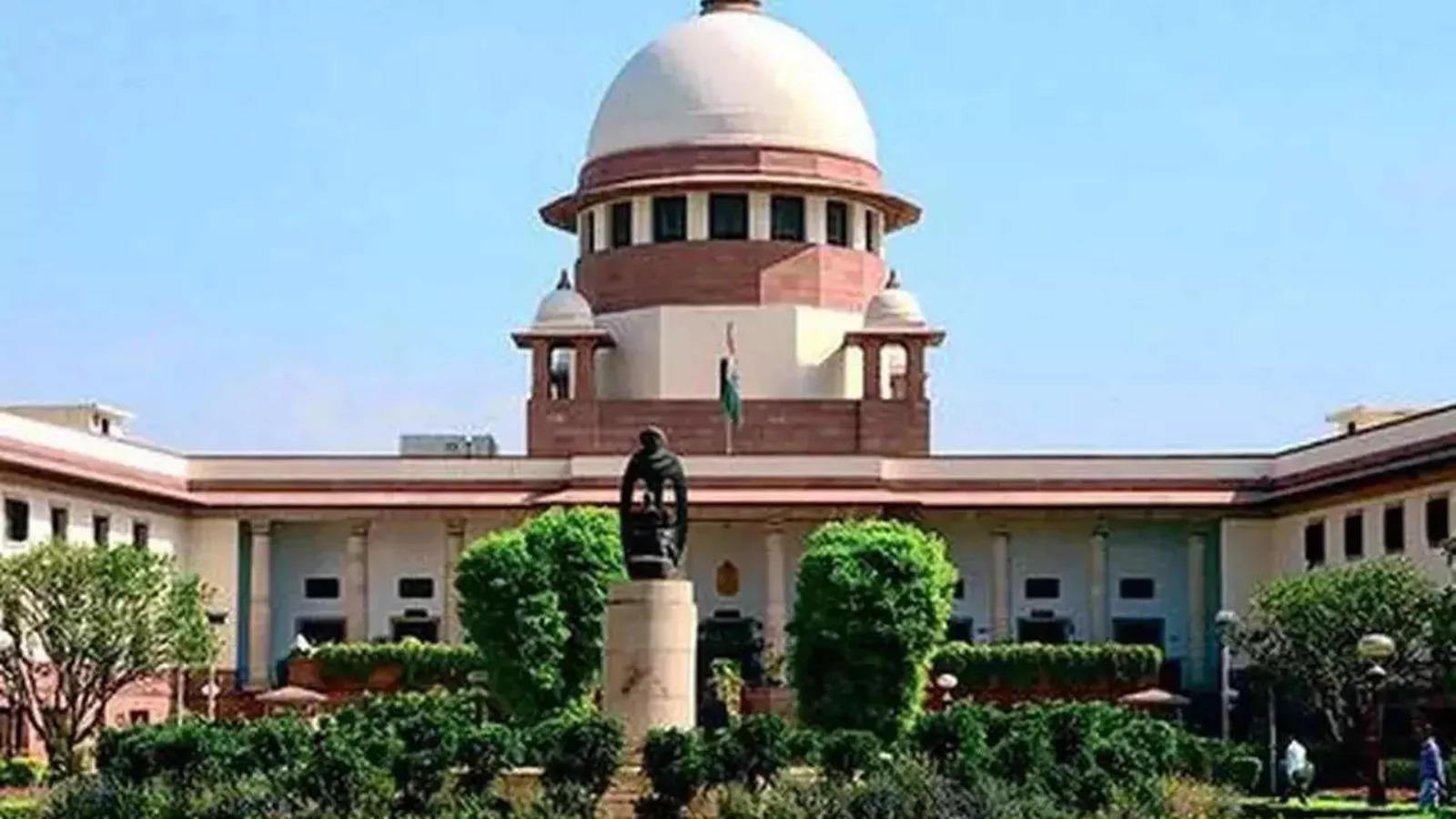
Supreme Court Sets Precedent on Political Bribery

Supreme Court Sets Precedent on Political Bribery

Landmark ruling denies legal immunity for parliamentarians in bribery, reinforcing integrity in politics.
Supreme Court’s decision removes legal protection for MPs and MLAs involved in bribery, as commended by Prime Minister Modi.
NEW DELHI – The Supreme Court of India has issued a critical verdict regarding the legal protection previously afforded to Members of Parliament and Legislative Assemblies involved in bribery related to voting or speaking in the House. This decision underscores a significant shift towards ensuring cleaner politics and strengthening public trust in the democratic process.
The bench, led by CJI DY Chandrachud, reached a unanimous decision, signaling a collective judiciary intent to combat corruption within the legislative framework.
Prime Minister Narendra Modi praised the verdict, highlighting its importance in fostering a cleaner political environment and enhancing faith in the system.
The ruling clarifies that MPs and MLAs engaging in bribery for votes do not qualify for legal protection under Articles 105(2) or 194, marking a departure from past precedents.
This decision effectively overturns the 1998 Supreme Court judgment in the PV Narasimha Rao case, thereby holding legislators accountable for bribery, a stance also supported by the Central Government.
The Court emphasized the severe implications of bribery on political morality, stating that such acts are not shielded by parliamentary privileges and must be prosecutable.
Through this landmark ruling, the Supreme Court has delineated a clear boundary against corruption, ensuring that acts of bribery by parliamentarians are subject to legal scrutiny and penalties.
Verdict Details
The Supreme Court’s unanimous decision emphasizes accountability for MPs and MLAs, excluding bribery from parliamentary immunity.
Public Reaction
Prime Minister Narendra Modi’s endorsement of the ruling reflects a governmental push towards enhancing transparency and integrity within the legislative body.


Join Our Newsletter
Opinion
Read More
Discussion
Readers' Comments
Recent
EDITOR PICKS
POPULAR POSTS
MUST READ

ABOUT US
Town Post is a leading News Portal of Jamshedpur and Jharkhand.
FOLLOW US
Contact us: editor@townpost.net
© Town Post, Jamshedpur