
Oral Health: A Window to Your General Well-being

Oral Health: A Window to Your General Well-being

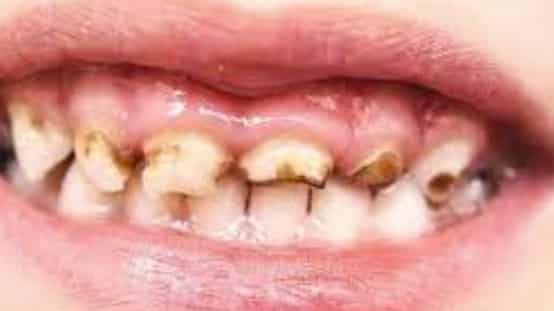
Tooth decay is the most common oral disease affecting children
Dr. Rama Shankar- Senior Consultant & HOD Dental

Oral health affects our ability to eat, speak, smile, and show emotions. Oral health also affects a person’s self-esteem, performance and attendance at work or school. It is an indicator of the individual’s general health.
Tooth decay is the most common oral disease affecting children. Untreated cavities can cause pain and infections that may lead to problems with eating, speaking, playing and learning. Children who have poor oral health often miss more school and receive lower grades than children who don’t!
Yet, the good news is that this oral disease is preventable! Introducing and reinforcing oral care routines early on is the key, helping children understand the importance of taking care of their teeth and setting the stage for a lifetime of good dental hygiene. The essential elements are:
- Start early: Primary teeth usually receive minimal attention since parents believe that a new set of teeth will replace the old one. Healthy teeth and gums contribute to proper nutrition and proper speech development, besides maintaining space for permanent teeth. Begin oral care early by gently wiping the gums with a soft cloth or a silicone finger brush.
As soon as the first tooth erupts, use a soft bristle toothbrush designed for infants.
- Supervised Brushing: Parental guidance is required upto the age of 8 years until the child can satisfactorily brush him/herself. Brushing should be done twice a day, with a fluoridated toothpaste.
- Interdental Aid: Flossing is an important facet in oral care and it is important to nurture this skill as it eliminates plaque and extracts food particle stuck between teeth.
- Balanced Diet: A healthy diet is important for a good dentition. It is important to avoid sugar and limit snacking. Diet must include plenty of water, fruits and vegetables which are rich in fibre. Research has shown that including cheese and peanuts counter the effects of acid attacks.
- Special considerations: There are a lot of dental issues that arise during childhood due to oral habits, sports injury, etc.
a) Oral habits: in children such as thumb sucking, pacifier uses, tongue thrusting, lip sucking/biting, mouth breathing , nail biting can contribute to mal-alignment of teeth, orthodontic issues which can impact facial growth and development.
b) Sports injury: Contact sports such as hockey, boxing, football and non-contact sports such as basketball, have been known to cause traumatic dental injuries. Wearing a proper fitted mouth guard is one of the most effective preventive measure against dental injuries in sports. Athletes, coaches and parents should be educated on the importance of mouth-guard and other preventive measures to minimize risk of dental sports injury.
c) Transient Malocclusion: There arises a stage during the age of 7 to 12 which is called the “ugly duckling phase”. This is a normal stage in dental development during the transition from primary to permanent teeth. It involves temporary space between the upper front teeth, with variability in timing and severity. Most cases resolve naturally, but orthodontic evaluation may be necessary for individualized intervention. Patience, support, and a positive outlook are essential.
6) Regular dental check-ups: are vital for a growing child. Children must have their first check-up by their first birthday or within 6 months of the eruption of their first tooth. Regular check-up biannually helps monitor and identify dental issues early. This provides an opportunity for preventive measures such as cleaning, fluoride treatment and education regarding proper oral hygiene practices.
Tata Main hospital runs a Preventive clinic, especially designed for children, for regular examination, caries risk assessment and personalised preventive measures such as topical fluoride application and sealants. Interceptive orthodontic treatment is also done as required.


Join Our Newsletter
Opinion
Read More
Discussion
Readers' Comments
Recent
EDITOR PICKS
POPULAR POSTS
MUST READ

ABOUT US
Town Post is a leading News Portal of Jamshedpur and Jharkhand.
FOLLOW US
Contact us: editor@townpost.net
© Town Post, Jamshedpur