
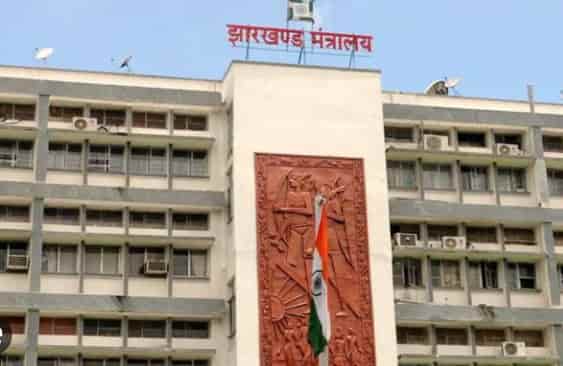
Jharkhand Kickstarts Tribal Digital Atlas for Vulnerable Groups

Jharkhand Kickstarts Tribal Digital Atlas for Vulnerable Groups

CM Hemant Soren Spearheads Data-Driven Tribal Welfare, Targets Holistic Development by August 2023
Jharkhand launches first-of-its-kind Tribal Digital Atlas to uplift the most vulnerable tribal communities through a comprehensive action plan. The aim is to draw a development line for 67,501 families in 3,705 villages by August 2023.
RANCHI – On the mandate of Chief Minister Hemant Soren, the Welfare Department is creating a Tribal Development Digital Atlas to map and uplift the state’s Very Vulnerable Tribal Community (PVTG).
Pioneered by the Welfare Department, the project intends to provide a database in the first phase, serving as the blueprint for the implementation of expansive socio-economic infrastructure projects.
Contrarily, on the other side of the spectrum, the state has introduced the country’s inaugural free residential coaching program for the youth of eight highly sensitive tribal communities like Asur, Korba, and Mal Paharia among others.
These programs, which had commenced a few months ago, are preparing more than 150 youth for various examinations, including an impressive cohort of over 60 girls.
Priority is also being accorded to battle health issues such as sickle cell anemia and malnutrition through initiatives like the Postman Scheme.
Income enhancement is another focus, where tribal products will gain market access via the Sido Kanhu Forest Produce Federation.
Additionally, traditional livelihood activities will be fortified through initiatives such as gram cultivation and self-help groups managed by JTDS.
A multi-faceted approach aims to integrate these tribal communities into the social infrastructure.
Thus, the state government has outlined an exhaustive action plan focusing on social infrastructure, livelihood, and healthcare.
The blueprint includes provisions for permanent housing, pure drinking water, electricity, pension benefits, and access to health and education facilities.
Tribal Welfare Commissioner under the Welfare Department is supervising the groundwork, which encompasses a baseline survey to evaluate the current situation of the tribal villages, spanning across factors like education, employment, and living standards.


Join Our Newsletter
Related News
Opinion
Read More
Discussion
Readers' Comments
Recent
EDITOR PICKS
POPULAR POSTS
MUST READ

ABOUT US
Town Post is a leading News Portal of Jamshedpur and Jharkhand.
FOLLOW US
Contact us: editor@townpost.net
© Town Post, Jamshedpur