
Makar Sankranti Tribal Traditions Resonate in Jharkhand

Makar Sankranti Tribal Traditions Resonate in Jharkhand

Ancient Ritual Marks Makar Sankranti Celebrations in Jharkhand Tribes
Jharkhand’s tribal community observes a unique and ancient ritual, Chiri Daag, during Makar Sankranti, believed to cure ailments and uphold traditions.
JAMSHEDPUR – Makar Sankranti, a significant festival among Jharkhand’s nature-worshipping tribal communities, is marked by a month of preparations and distinctive rituals.
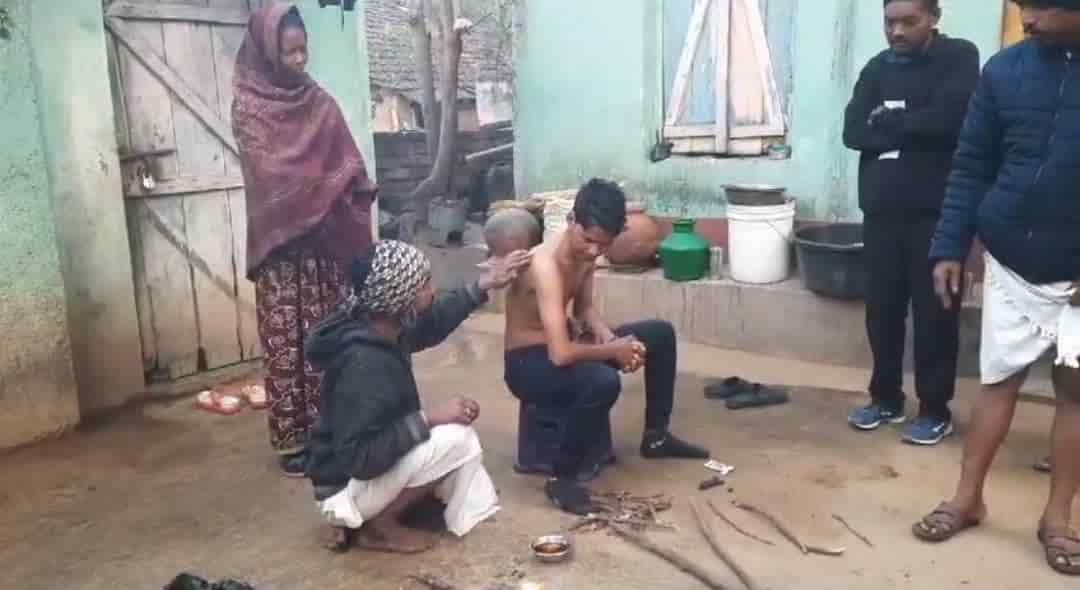
In these communities, the second day of the festival, known as Akhand Jatra, holds a unique tradition involving the branding of individuals with a hot skewer, a practice termed ‘Chiri Daag.’
This ritual spans across all age groups, from 21-day-old infants to adults, symbolizing a rite of passage and healing.
The process begins early in the morning, as women gather at the priest’s house, carrying their children.
Here, a thin copper plate is heated in a wood fire, a key element in the ritual.
The priest, after inquiring the child’s name and meditating upon it, prepares the site for the ritual with mustard oil on the clay ground.
Subsequently, he anoints the area around the child’s navel with oil and brands it with the heated copper shikhara four times.
Amidst the echoing screams, the priest blesses each child and hands them back to their mothers.
This tradition, as explained by the priest, has been passed down through generations, originating from his great grandfather and father.
The belief underpinning this ritual is that it helps alleviate stomach ailments, commonly attributed to the consumption of various dishes during the festival.
Chiri Daag is considered a remedy for these discomforts, offering both physical relief and spiritual fulfillment.


Join Our Newsletter
Related News
Opinion
You May Also Like
Read More
Discussion
Readers' Comments
Recent
EDITOR PICKS
POPULAR POSTS
MUST READ

ABOUT US
Town Post is a leading News Portal of Jamshedpur and Jharkhand.
FOLLOW US
Contact us: editor@townpost.net
© Town Post, Jamshedpur