
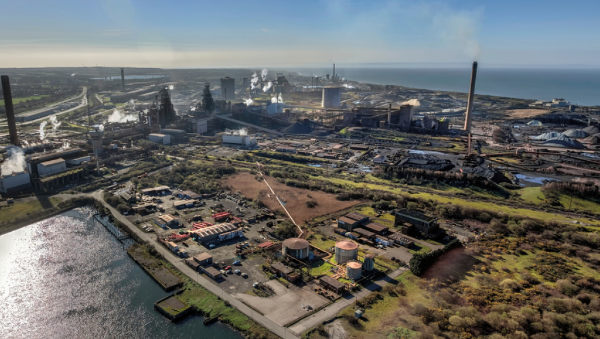
Neath Port Talbot Council Urges Tata to Mitigate Job Impacts

Neath Port Talbot Council Urges Tata to Mitigate Job Impacts

Tata Steel’s Port Talbot Transition Stirs Job Concerns

Neath Port Talbot Council calls for collaboration with Tata Steel UK to mitigate potential job losses at Port Talbot, following a £1.25bn investment shift towards electric steel recycling furnaces.
WORLD DESK – Neath Port Talbot Council has appealed to Tata Steel UK to work closely with trade unions and partners to address the potential workforce impacts at its Port Talbot site.
This move comes after a full council meeting on November 15, where members expressed concern over Tata Steel’s £1.25bn investment in electric steel recycling furnaces at Port Talbot.
The investment, which includes shutting down two primary steel-making blast furnaces, has sparked fears of over 3,000 job cuts.
Electric arc steel making, which recycles steel rather than producing new steel, requires fewer workers, heightening job loss anxieties among employees and the community.
The local media reported that the council leader Steve Hunt has emphasized the need to balance decarbonization with job security and local economic stability.
He advocated for Tata Steel to ensure existing order book security and to explore emerging markets, while also focusing on the region’s regeneration in the short and long term.
Labour Councillor Sharon Freeguard echoed these sentiments, stressing the devastating impact of job losses on families and the local economy.
Councillor Rob Jones highlighted the potential wider effects, with up to 18,000 jobs in the supply chain at risk.
According to the local media reports, Tata Steel plans to start formal discussions with employee representatives soon, asserting their commitment to a green steel transition and long-term business security.
Local stories reflect the workforce’s anxiety, with steelworker Owen Midwinter expressing concerns about affording living costs amidst uncertainties.
The UK government’s £500m promise to support Tata’s decarbonization efforts at Port Talbot includes replacing coal-based blast furnaces with electric arc furnaces.
However, these changes could significantly reduce the required workforce.
Union officials and Tata bosses are set to discuss the situation further, as alternative plans to save jobs are explored by steelworker unions.


Join Our Newsletter
Related News
Opinion
You May Also Like
Read More
Discussion
Readers' Comments
Recent
EDITOR PICKS
POPULAR POSTS
MUST READ

ABOUT US
Town Post is a leading News Portal of Jamshedpur and Jharkhand.
FOLLOW US
Contact us: editor@townpost.net
© Town Post, Jamshedpur