
ISCUF’s East India Cultural Harmony Workshop Set for October

ISCUF’s East India Cultural Harmony Workshop Set for October

ISCUF to host multi-state event in Ghatsila amid social challenges
Key Points:
• ISCUF organizes cultural workshop for Eastern and Northeastern states
• Event aims to preserve cultural heritage and promote peace
• CPI welcomes initiative to address social and religious divisions
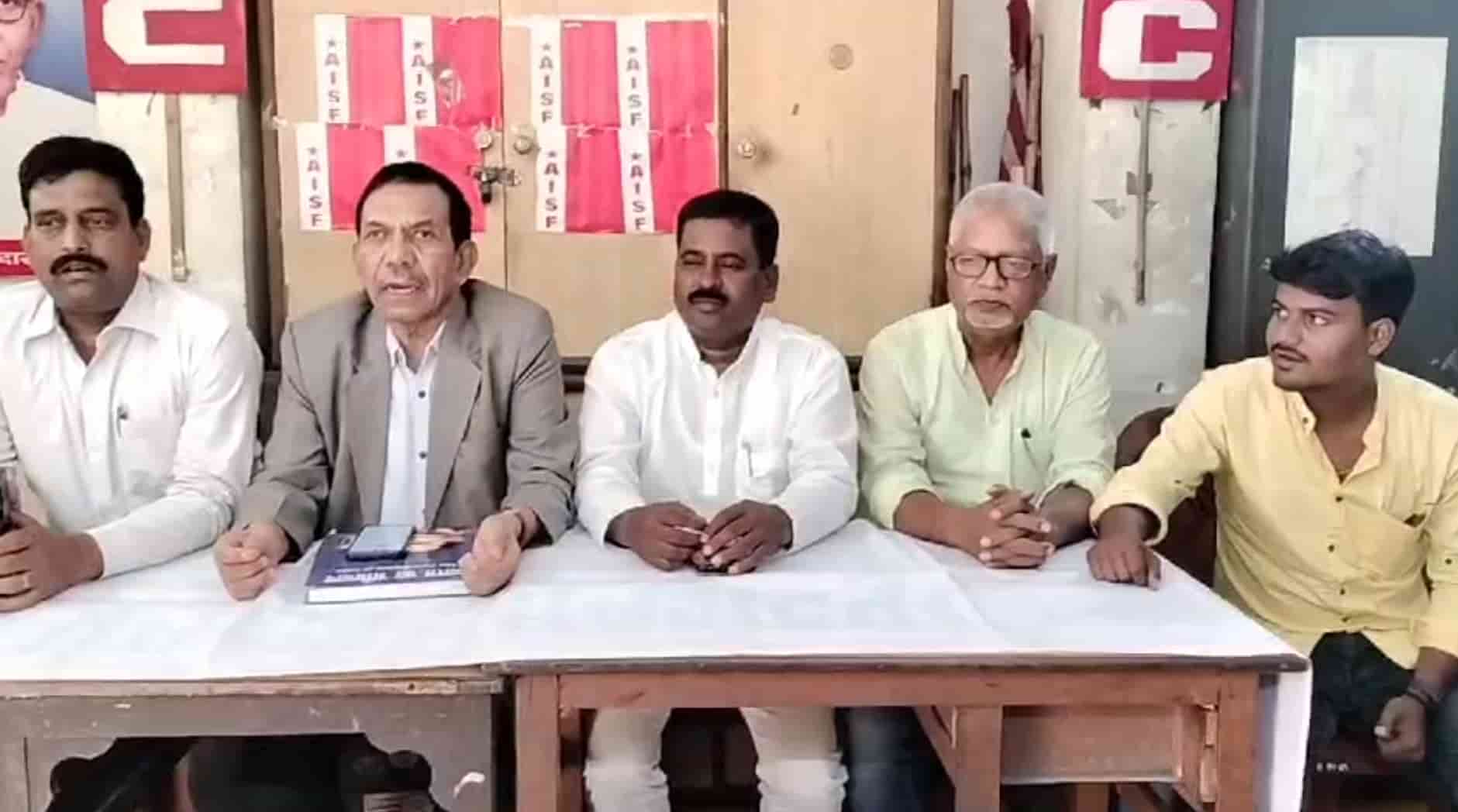
JAMSHEDPUR – The Indian Society for Cultural Co-operation and Friendship (ISCUF) is set to host a pivotal cultural workshop in Ghatsila this October.
ISCUF National Secretary Abdul Kalam Rashidi announced the upcoming event during a press conference.
The workshop aims to preserve cultural heritage and foster peace in Eastern and Northeastern India.
Moreover, it seeks to address the growing social and religious divisions in the region.
"We are responding to the challenges facing our diverse communities," Rashidi emphasized.
The two-day event, scheduled for October 5-6, will bring together participants from multiple states.
Additionally, representatives from Sikkim, Assam, West Bengal, Jharkhand, Bihar, and Odisha will attend.
The workshop will feature professors, teachers, lawyers, and social workers.
Furthermore, cultural activists from various platforms are expected to participate.
Meanwhile, CPI District Secretary Ambuj Kumar Thakur expressed support for the initiative.
"We welcome ISCUF’s Eastern Zonal workshop in our area," Thakur stated.
On the other hand, organizers hope the event will promote understanding and unity among diverse communities.
ISCUF: A Communist History
The Indian Society for Cultural Cooperation and Friendship (ISCUF) has been known for promoting international cultural exchanges, especially with countries like Russia, Vietnam, and Cuba. Established with strong pro-Soviet roots, it evolved from the Friends of the Soviet Union into ISCUF, aligning itself with socialist ideologies.
Furthermore, ISCUF has not been as active or visible in recent years, leading to questions about its relevance in the post-Soviet era.
There are critics who feel an attempt may be on to revive this dormant body with an aim to use it as a tool for Hindu-bashing by anti-Hindu and pro-Islamist elements in the name of promoting culture and social harmony.
Critics point to the long communist record of silence against Islamist extremism and selective outrage against even the most innocuous Hindu traditions and cultural activities.


Join Our Newsletter
Related News
Opinion
You May Also Like
Read More
Discussion
Readers' Comments
Recent
EDITOR PICKS
POPULAR POSTS
MUST READ

ABOUT US
Town Post is a leading News Portal of Jamshedpur and Jharkhand.
FOLLOW US
Contact us: editor@townpost.net
© Town Post, Jamshedpur