State’s Reservoirs Fill Up, Easing Water Scarcity Concerns for Coming Months
Key Points:
- Jharkhand records rainfall just one to two percent below normal
- Dimna Dam, Jamshedpur’s main water source, nearly full
- Experts say summer water crisis unlikely if weather stays normal
JAMSHEDPUR – Jharkhand’s reservoirs and dams have filled up significantly this year, as the state recorded rainfall close to normal levels.
According to available data, the state received only one to two percent less rainfall than usual this monsoon. Consequently, most reservoirs across Jharkhand are now brimming with water.
The impact of this favourable rainfall is clearly visible on the state’s water resources. Concerns over drinking water and industrial water shortages in the coming months have largely eased as a result.
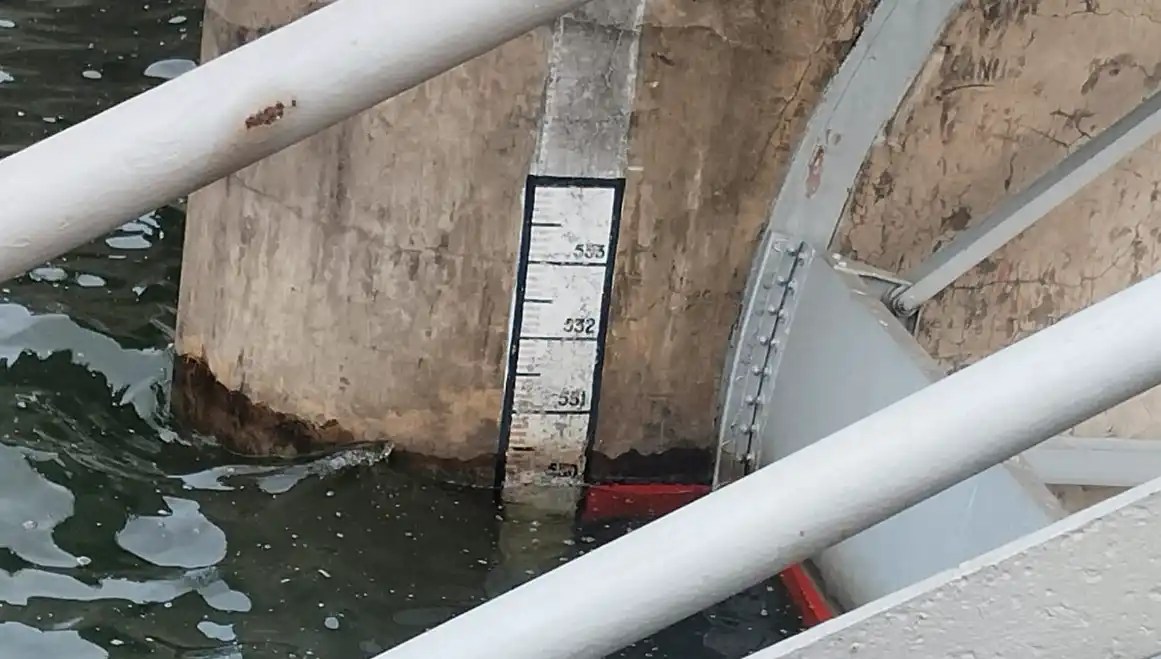
Dimna Dam, considered Jamshedpur’s most important water source, has also filled up to nearly full capacity. The reservoir forms the backbone of the city’s drinking water system.
Tata Steel, along with lakhs of city residents, draws water from this same source. As water levels rose, both the administration and industry management expressed relief.
Meanwhile, other major reservoirs and dams across the state have also seen substantial water collection. Continuous rainfall, combined with favourable conditions in catchment areas, has significantly boosted storage capacity.
Experts believe the likelihood of a water crisis by the upcoming summer season remains quite low. However, this outlook depends on weather conditions remaining largely normal through the rest of the year.
Farmers are also expected to benefit from the good rainfall this season. Adequate water for irrigation projects is likely to strengthen agricultural activity and support preparations for the rabi crop.
In addition, the filled reservoirs are expected to improve groundwater levels across the state. This, in turn, should boost water availability in rural areas as well.
Overall, this year’s monsoon has considerably eased Jharkhand’s water scarcity concerns. With Dimna Dam and other major reservoirs full, sufficient water is expected to be available for drinking, irrigation and industrial needs.
The improved water situation comes as Jamshedpur has also grappled with the flip side of heavy rain this season, including repeated flood alerts along the Subarnarekha and Kharkai rivers. The city recently saw a flood threat rise as both rivers crossed the danger mark. Similar rain-related disruptions were reported earlier in the month, including torrential rain disruption across the city.