Health Officials Order Full Village Testing Within Three Days
Key Points:
- Health teams to test 5,000 people daily using rapid diagnostic kits
- Every malaria-positive village to undergo complete screening within three days
- Civil surgeon reviews outbreak response at Ghatshila hospital meeting
JAMSHEDPUR – Health authorities in East Singhbhum have ordered a sharp escalation of malaria testing after new infection data revealed a worrying spike across the district. Field teams will now aim to screen at least 5,000 residents daily as part of the expanded response.
Officials disclosed that 1,374 malaria cases were confirmed out of nearly 40,000 people tested over the past ten days across the district. Several of those diagnosed have cerebral malaria, a severe form of the disease that has added urgency to the response.
A separate round of testing in the same period covered just over 10,000 residents, turning up 95 additional cases, including both cerebral and standard malaria infections. Officials said the new detections prompted the decision to widen village-level surveillance.
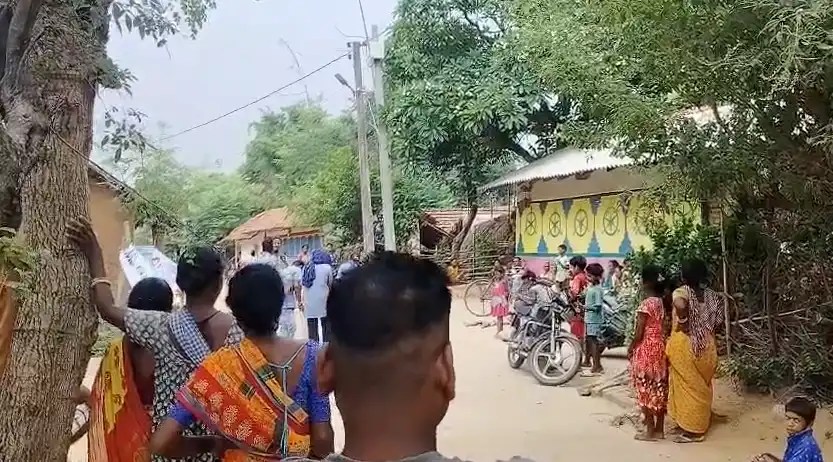
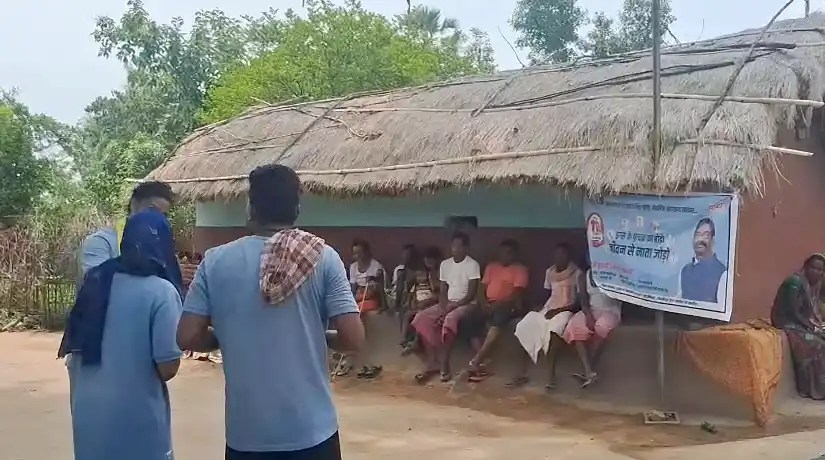
Under the revised protocol, any village where even a single malaria case is confirmed will now undergo complete testing of its entire population within three days. Health workers will use rapid diagnostic kits during house-to-house visits in affected hamlets rather than waiting for symptomatic residents to seek care.
The strategy was outlined during a review meeting at the subdivisional hospital in Ghatshila, chaired by civil surgeon Dr. Sahir Paul. He directed field staff and officials to treat the containment effort as an emergency operation. “Every affected area will see health teams conducting door-to-door checks using rapid kits,” he said, describing the target of screening thousands of residents each day as non-negotiable.
Meanwhile, the civil surgeon instructed that details of every malaria-positive patient be uploaded immediately to the IHIP portal, a national disease-surveillance system, to help track the spread and ensure timely treatment. The programme management unit has also been asked to make regular field visits to deliver medicines and diagnostic kits to residents in need.
Besides the testing push, all health centres have been told to submit daily reports to the district headquarters and to provide geo-tagged photographs documenting screening activity. Staff attached to Jamshedpur’s vector-borne disease programme are carrying out intensive fieldwork in the worst-hit pockets.
In addition, indoor residual spraying continues in an effort to curb mosquito breeding, and health centres are being supplied with sufficient stocks of diagnostic and medical equipment as required. Officials also pointed to the district’s ongoing vaccine storage inspections and earlier public health campaigns as part of the broader infrastructure now being leveraged for the malaria response. Similar disease-surveillance measures have previously been used in neighbouring Seraikela-Kharsawan during past health emergencies. The administration in Ghatshila’s subdivision is coordinating closely with the civil surgeon’s office to sustain the drive.